


RI& KOREAN MEDICAL CLINIC
Facial Nerve Palsy
Facial nerve palsy treatment tailored to your body — RI&
1:1 personalized care that helps restore facial nerve function, based on precise testing and personalized treatment
Facial nerve palsy arises from a combination of causes — nerve inflammation, impaired blood flow, muscle atrophy, and autonomic imbalance. The longer recovery is delayed, the more likely it is to lead to secondary sequelae such as asymmetry of the facial muscles, facial rigidity, and abnormal tear secretion — so early treatment is important.

Facial nerve palsy: why does it occur?
viral inflammation, peripheral nerve compression, local blood-flow impairment, muscle imbalance, and disruption of the autonomic nervous system.
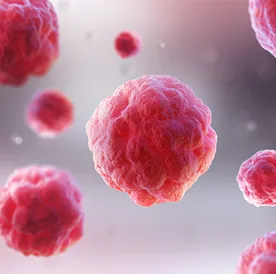
Weakened immunity
Latent viruses are reactivated by stress, overwork, and lack of sleep
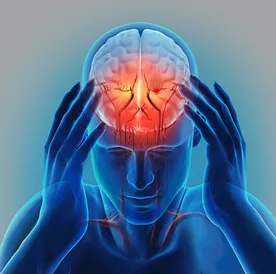
Viral infection & inflammatory response
Facial nerve function declines due to compression within the skull's bony canal
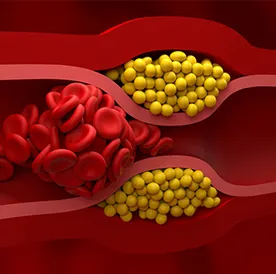
Impaired blood & lymph circulation
Nerve recovery is delayed by insufficient oxygen and nutrient supply
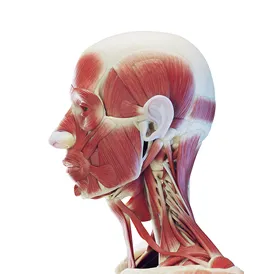
Soft-tissue stiffening
If paralysis persists, asymmetry becomes fixed and secondary facial pain develops
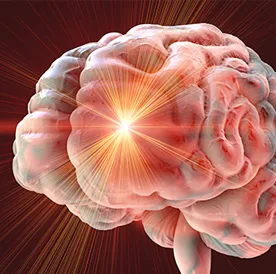
Autonomic imbalance
Overactivation of the sympathetic nervous system worsens the environment for nerve regeneration and delays recovery


Main conditions causing facial nerve palsy
Bell's palsy
Ramsay Hunt syndrome
Traumatic facial nerve palsy
Facial nerve palsy caused by chronic otitis media or sinusitis
Diabetic peripheral neuropathy
Sequelae of facial nerve palsy
Synkinesis
(involuntary associated movements)Facial muscle spasm (twitching)
Facial muscle contracture
Crocodile tears syndrome
Facial asymmetry

Facial nerve palsy self-check
- The muscles on one side of the face suddenly don't move well.
- When smiling, the corner of the mouth rises or droops on only one side.
- The eye doesn't close properly, or tears flow excessively.
- Taste is reduced or absent over the front two-thirds of the tongue.
- There is stiffness or pain behind the ear (around the mastoid process).
- Food or liquid leaks from the mouth when speaking or eating.
- Sounds seem unusually loud, or there is ringing in the ear.
- Blisters or a rash have appeared around the ear or in the ear canal.
Key features of RI&'s facial nerve palsy treatment
Korean medicine treatment that addresses both nerve recovery and muscle-function recovery, while working to reduce lasting after-effects.

01RI&
1:1 personalized treatment
By precisely analyzing the degree of paralysis, muscle function, and recovery progress, we combine acupuncture, pharmacopuncture, Chuna, and herbal medicine in a tailored treatment aimed at restoring nerve function and preventing sequelae.

02RI&
Autonomic balance assessment (RSA)
Since an overactive sympathetic nervous system can be a major factor in delayed facial nerve recovery, we use the RSA test to precisely analyze autonomic balance and provide tailored treatment aimed at stabilizing the nervous system and supporting recovery.

03RI&
Pulse-wave imaging test
Since peripheral blood flow is related to nerve recovery, we use pulse-wave imaging to evaluate cardiac output and peripheral circulation, working to improve the blood supply needed for nerve recovery.

04RI&
Urinalysis
By analyzing 10 items including glucose, protein, occult blood, and white blood cells, we detect early signs of systemic health issues linked to facial nerve palsy, such as diabetic peripheral neuropathy.

05RI&
Precise facial & body analysis
Using a facial analysis device, we closely assess facial asymmetry, cervical spine alignment, and body-axis imbalances to identify sequelae early and help recovery by looking into the causes.

Who is RI& customized treatment for?
Facial nerve palsy
treatment is recommended for:
- Those whose daily life is disrupted by sudden facial paralysis or a twisted mouth
- Those who want to start recovery care soon after a diagnosis of Bell's palsy or Ramsay Hunt syndrome
- Those whose recovery is slow even after steroid treatment
- Those who cannot close the eye well, or who also have tear or taste abnormalities
- Those troubled by sequelae such as synkinesis, facial muscle contracture, or facial spasm
- Those who also experience pain around the ear, tinnitus, or hyperacusis
- Those whose facial paralysis developed after overwork, stress, or weakened immunity
- Those with recurrent facial nerve palsy who need treatment that looks into the causes
Research on acupuncture for facial palsy sequelae
Acupuncture for the sequelae of Bell's palsy: a randomized controlled trial
Hyo-Jung Kwon, Jun-Yong Choi, Myeong Soo Lee, Yong-Suk Kim, Byung-Cheul Shin, Jong-In Kim.
Trials. 2015;16:246.


A randomized controlled trial in 39 patients with sequelae of Bell's palsy (26 acupuncture, 13 waiting list). After 8 weeks, the acupuncture group improved more than the waiting-list group on the Facial Disability Index (FDI) social/well-being score. This was a small study without a sham-acupuncture control.
Facial nerve palsy treatment program
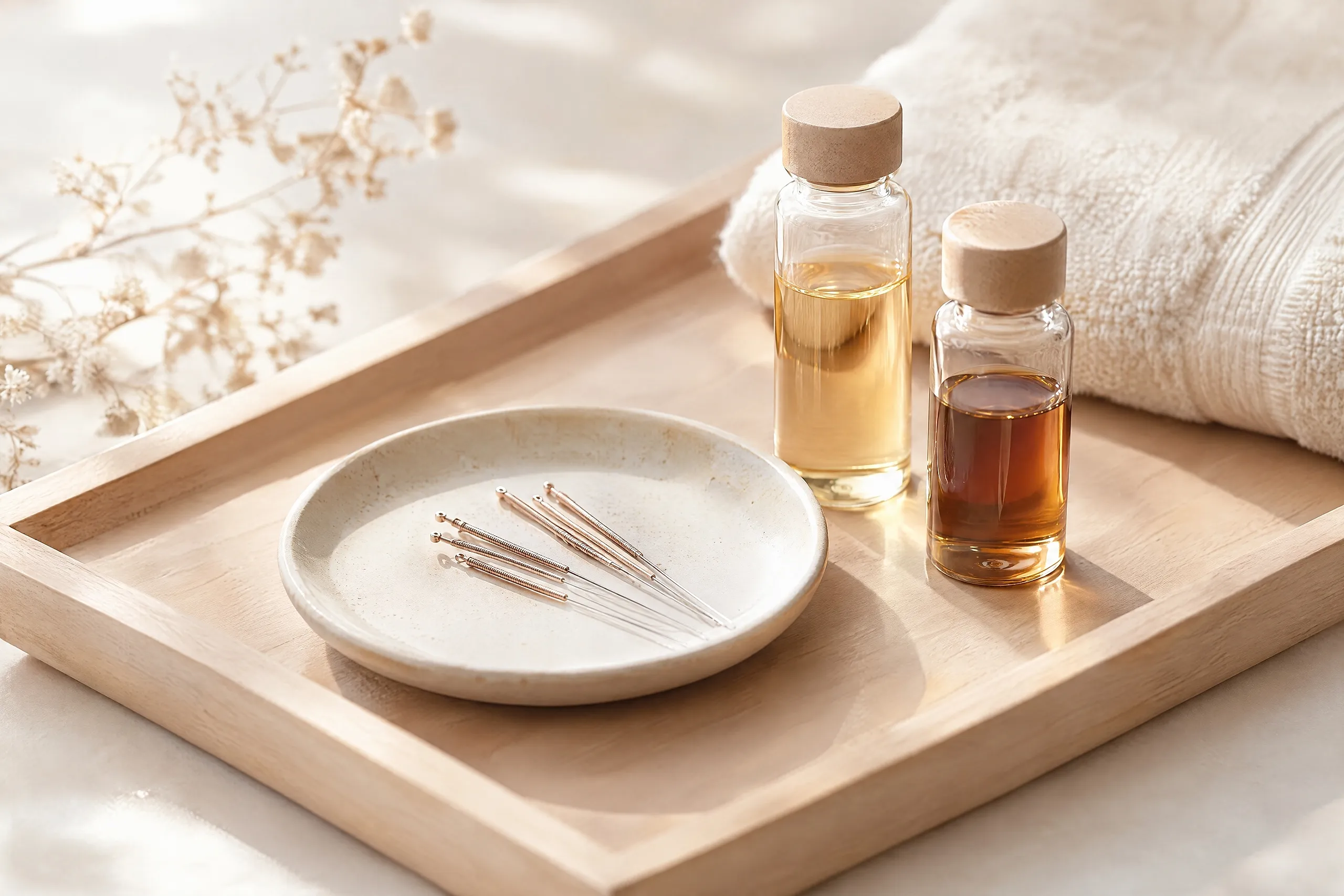
Acupuncture & pharmacopuncture
Aims to ease inflammation around the facial nerve and improve peripheral blood flow, supporting nerve recovery.
SSP physiotherapy
Applies low-frequency electrical stimulation to facial acupoints to regulate nerve excitability, helping restore facial muscle function and relieve pain.
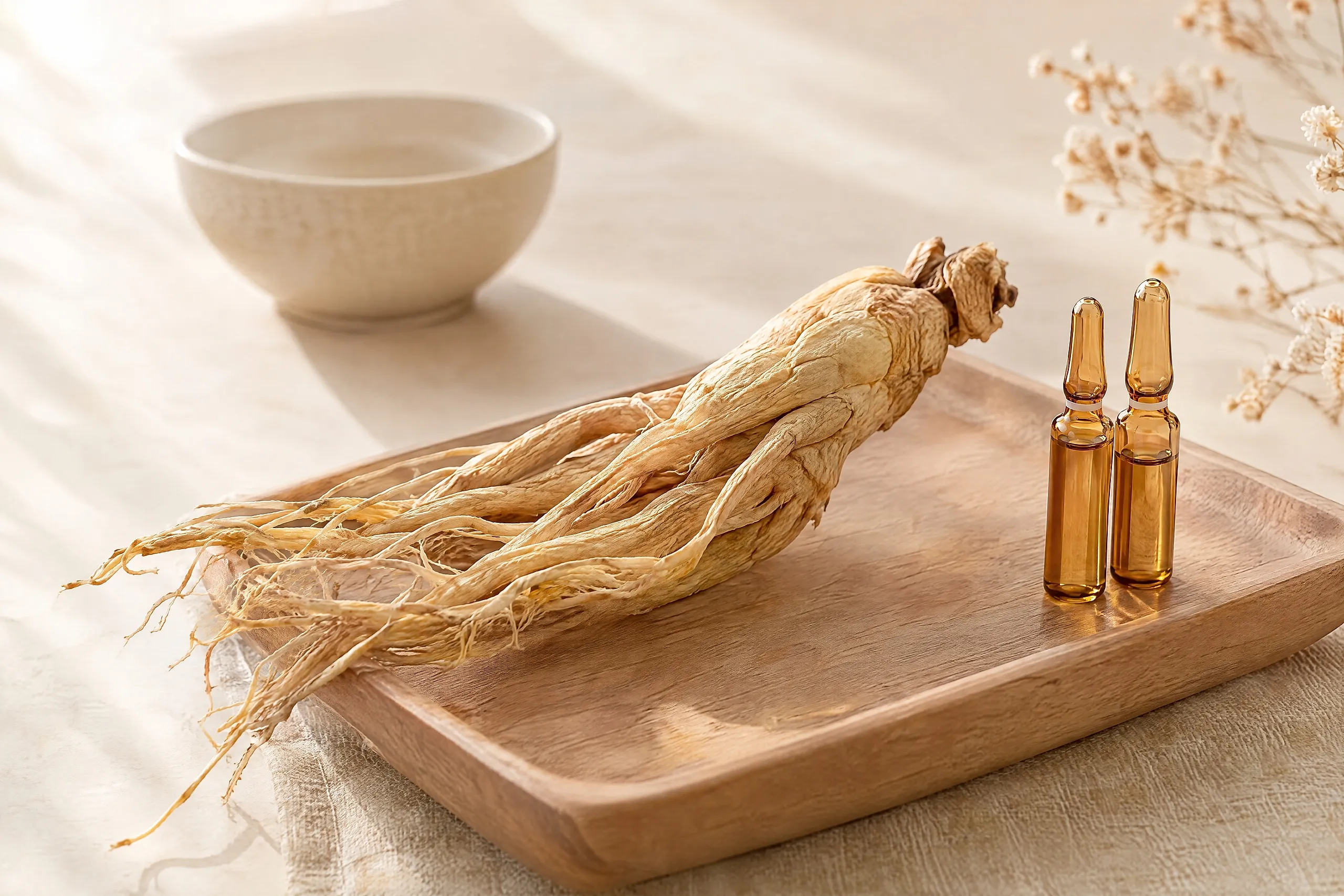
Wild ginseng pharmacopuncture
Injects saponin components directly into acupoints with the aim of supporting nerve recovery and immune function.

Nerve-recovery herbal medicine
A constitution-based prescription that aims to help control inflammation, improve blood flow, and support nerve recovery, while working to reduce sequelae.


prescribed to suit your constitution and symptoms
Herbal prescription and preparation
Individual prescriptions are prepared with pharmaceutical-grade herbal ingredients manufactured under the MFDS herbal Good Manufacturing Practice (hGMP) standard.
Each prescription is decocted separately.
Pharmaceutical-grade herbs
Prescribed by constitution and symptoms
Decocted per prescription
Progress checks while you take it
At Myeongdong RI& Korean Medicine Clinic,
every herbal prescription is prepared with meticulous care,
using pharmaceutical-grade medicinal herbs.
A thorough quality-control system from raw herbs to final preparation
Trustworthy herbal medicine prepared with well-maintained facilities and strict process management.


Ri& Case
Facial Palsy Director's Column
Clinical columns written by our head director.
Photos of people on this page are staged images, not actual patients.

