


RI& KOREAN MEDICAL CLINIC
Pain Clinic
Pain treatment tailored to your body — RI&
1:1 personalized care that helps you recover from musculoskeletal pain and manage recurrence, based on precise testing and personalized treatment
At RI& Korean Medicine Clinic, we analyze both the painful area and its underlying source — aiming to calm inflammation and pain with acupuncture and pharmacopuncture, and to restore joint alignment and body balance with Chuna — in one integrated treatment.

Common pain symptoms
Cervical disc herniation (herniated neck disc)
Lumbar disc herniation (herniated lumbar disc)
Frozen shoulder
Tennis elbow
Plantar fasciitis
Knee osteoarthritis
Spinal stenosis
Golfer's elbow
Ankle sprain
Forward head posture (text neck)
Conditions We Treat
- Cervical Spine
- Cervical disc herniation
- Cervical sprain
- Radiculopathy
- Straight neck & forward head (text neck) syndrome
- VDT syndrome
- Thoracic outlet syndrome
- Facet joint syndrome
- Cervical myofasciitis
- Myofascial pain syndrome
- Cervicogenic headache
- Cervical spinal stenosis
- Ossification of the posterior longitudinal ligament (OPLL)
- Cervical kyphosis
- Degenerative arthritis (osteoarthritis)
- Lumbar Spine
- Lumbar disc herniation
- Lumbar sprain
- Radiculopathy
- Spinal stenosis
- Sacroiliac joint syndrome
- Scoliosis
- Sciatica
- Piriformis syndrome
- Ankylosing spondylitis
- Flatback syndrome
- Lordosis & kyphosis
- Hip bursitis
- Ossification of the posterior longitudinal ligament (OPLL)
- Degenerative arthritis (osteoarthritis)
- Shoulder
- Frozen shoulder (adhesive capsulitis)
- Rotator cuff injury
- Calcific tendinitis
- Shoulder impingement syndrome
- Biceps tendinitis
- Bursitis
- Wrist & Elbow
- Tennis elbow (lateral epicondylitis)
- Golfer's elbow (medial epicondylitis)
- Carpal tunnel syndrome
- De Quervain's tenosynovitis
- Trigger finger
- Nerve entrapment syndrome
- Wrist sprain
- Knee
- Osteoarthritis
- Chondromalacia patella
- Patellar tendinitis
- Cruciate ligament & meniscus injury
- Rheumatoid arthritis
- Iliotibial band syndrome (runner's knee)
- Bursitis
- Ankle & Foot
- Plantar fasciitis
- Ankle sprain (ligament injury)
- Ankle instability
- Achilles tendinitis
- Tarsal tunnel syndrome
- Hallux valgus (bunion)
- Morton's neuroma (interdigital neuroma)
- Fractures & Bone Density
- Osteoporosis
- Compression fracture
- Kyphosis
- Avascular necrosis of the femoral head (AVN)
- Wrist & ankle fractures
- Tibia, fibula, ulna & radius fractures
- Delayed union & nonunion
- Refracture
- Stress fracture
- Post-fracture sequelae
- Other
- Fibromyalgia
- Complex regional pain syndrome (CRPS)
- Postherpetic neuralgia
- Post-traffic-accident sequelae
- Sports injuries
Acupuncture, Pharmacopuncture & Chuna Treatment Process

Precise Examination
We check the painful area, aggravating postures, and range-of-motion limitations, and analyze your postural alignment.

Personalized Consultation
We explain the cause of the pain and the structural problems, and establish an individualized treatment plan.
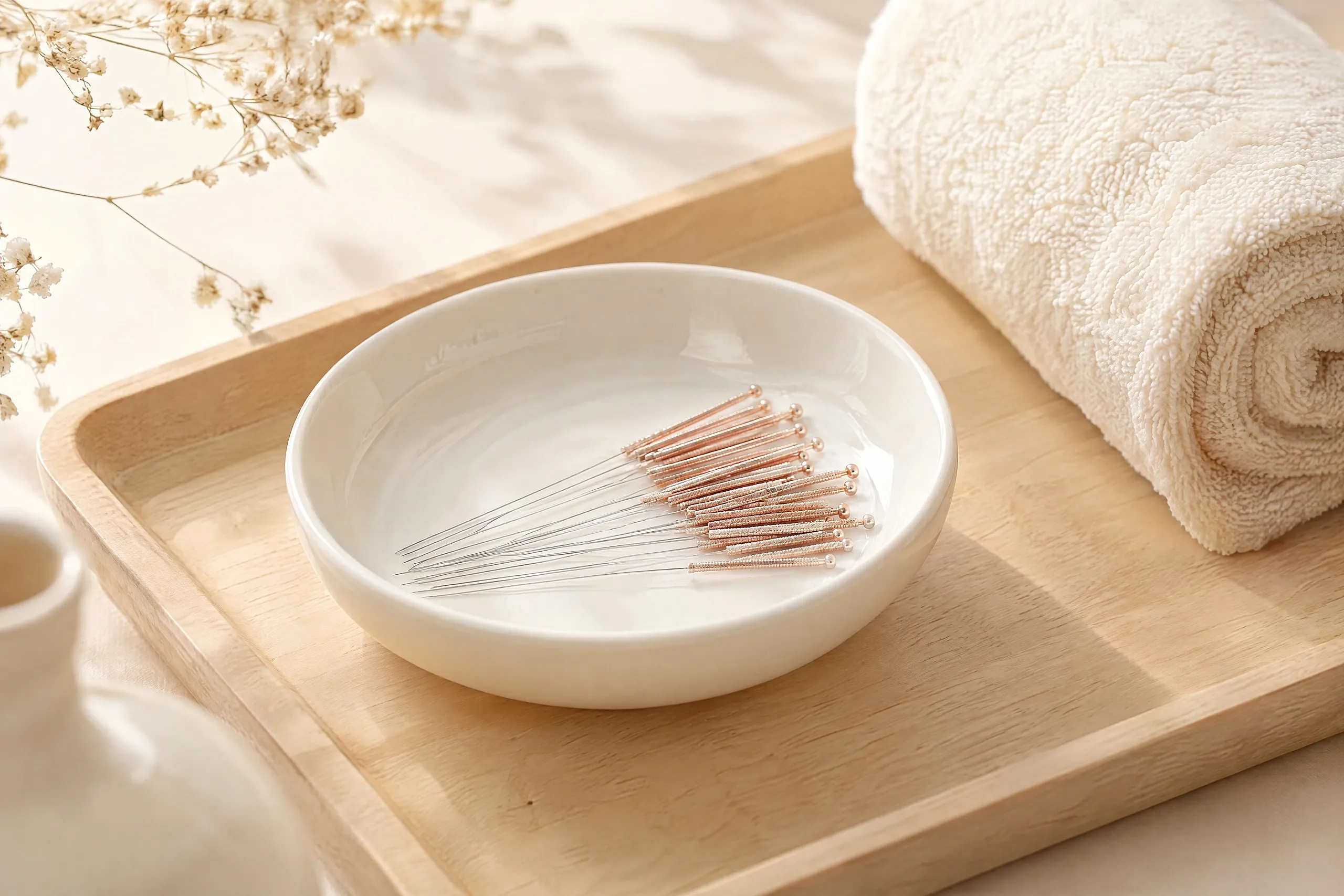
Acupuncture, Pharmacopuncture & Chuna Treatment
Acupuncture and pharmacopuncture aim to ease muscle tension and inflammation, while Chuna is used to correct spinal and joint alignment.
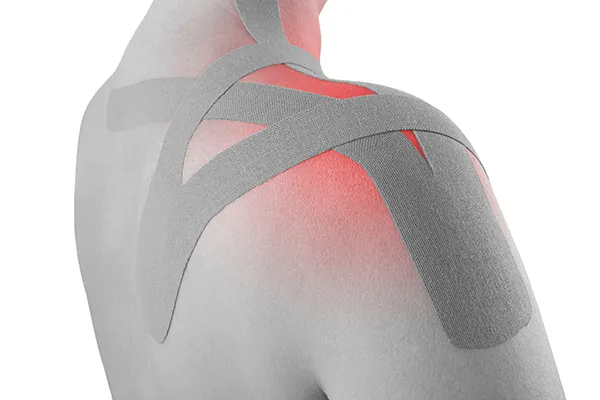
Taping & Lifestyle Coaching
Muscle taping supports care after treatment, and we guide you on posture and lifestyle habits that help prevent recurrence.



Postural Analysis
Using the iBalance posture analysis system, we precisely measure spinal scoliosis, pelvic misalignment, and left-right weight imbalance to objectively identify the structural causes of pain.
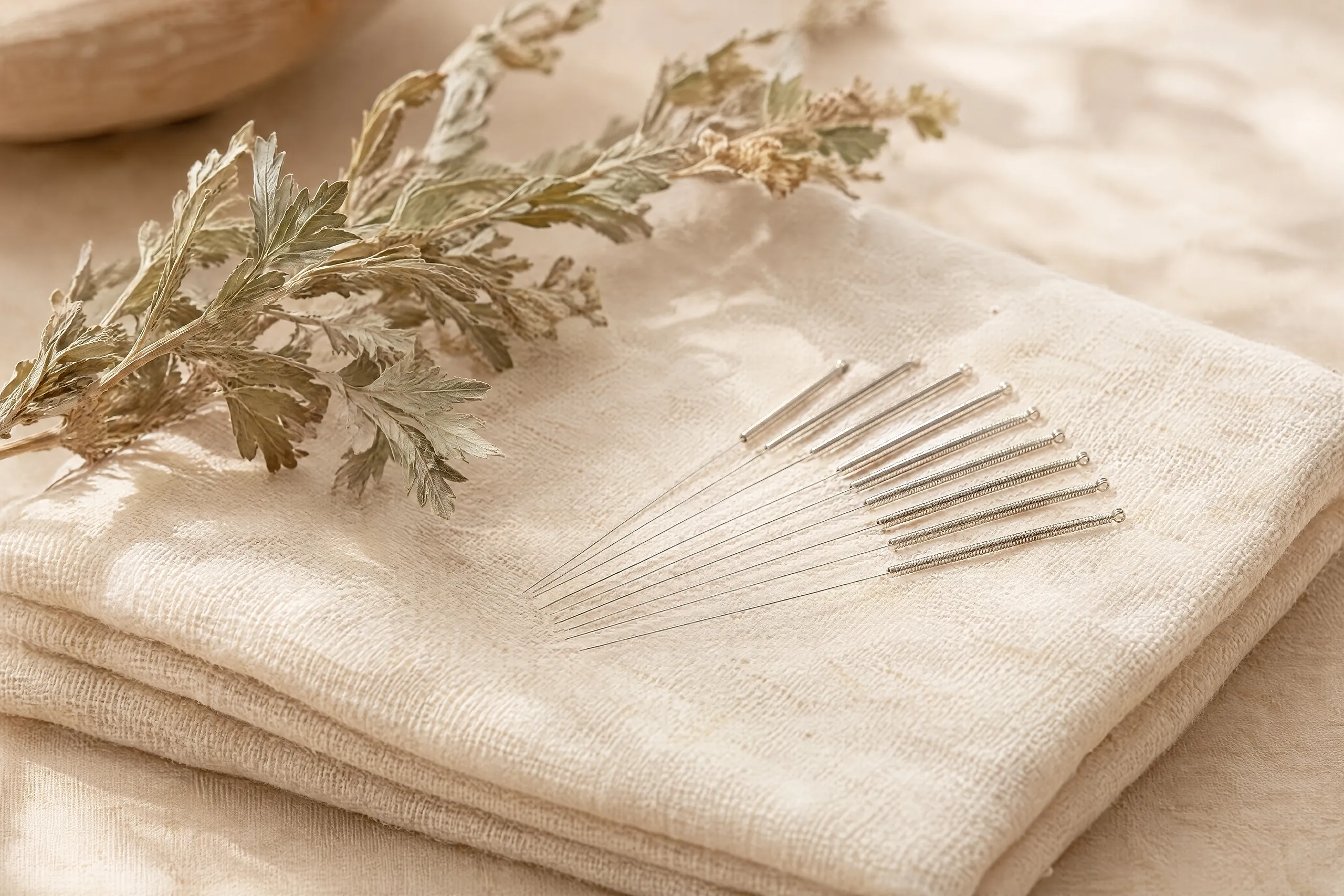
Acupuncture
Needles are inserted into the muscles, meridians, and acupoints related to the painful area with the aim of relaxing muscle tension, improving blood circulation, and regulating pain signals. We assess not only the painful area but also the connected fascia and surrounding muscles — treating the pelvis and hip joint for low-back pain, and the cervical and thoracic spine for shoulder pain.
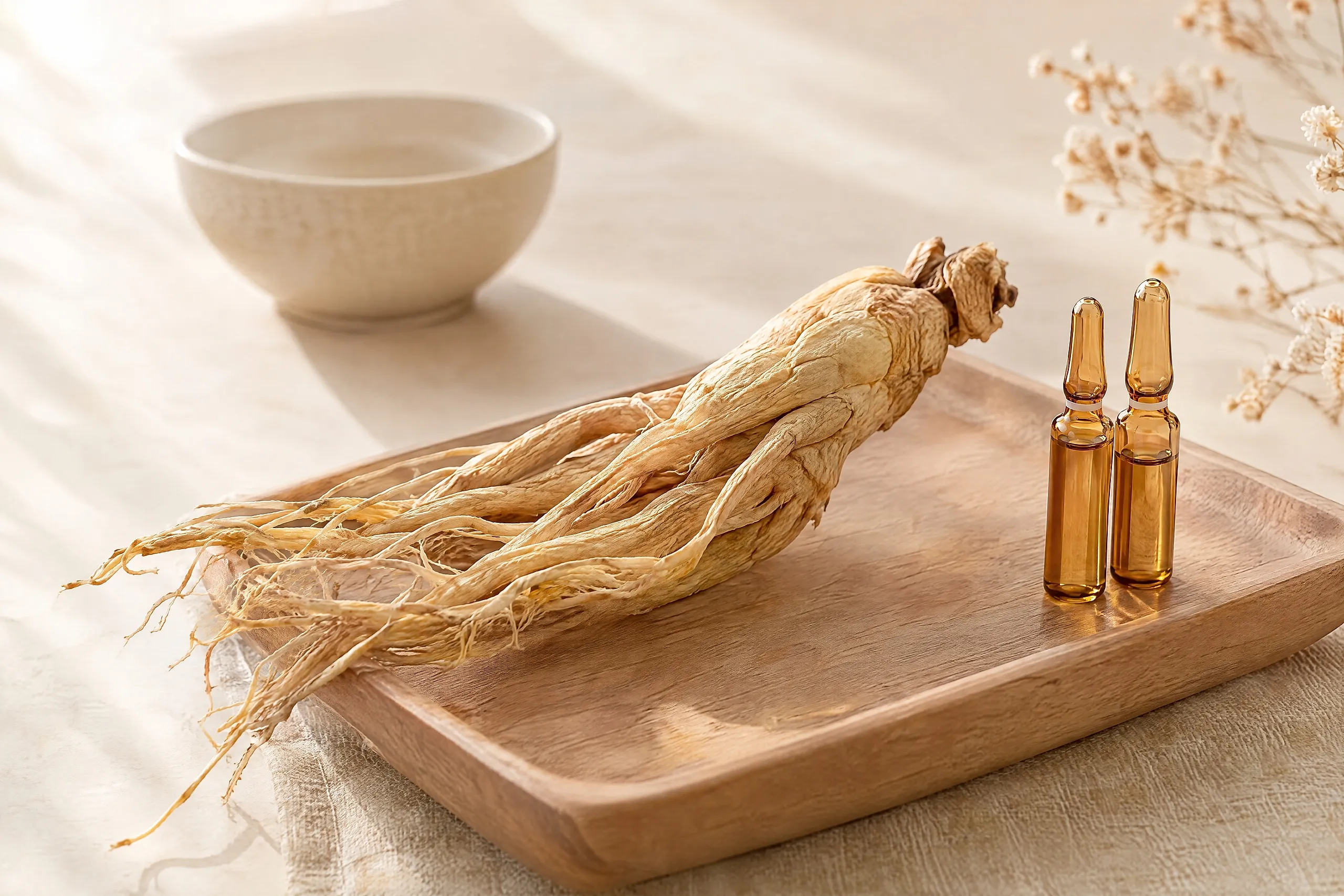
Pharmacopuncture
A refined herbal-derived solution is injected directly into the painful area and acupoints with the aim of calming local inflammation, supporting tissue recovery, and reducing pain. It is used for acute sprains, overuse injuries, chronic muscle tension, and inflammation around the joints, and can be combined with acupuncture.
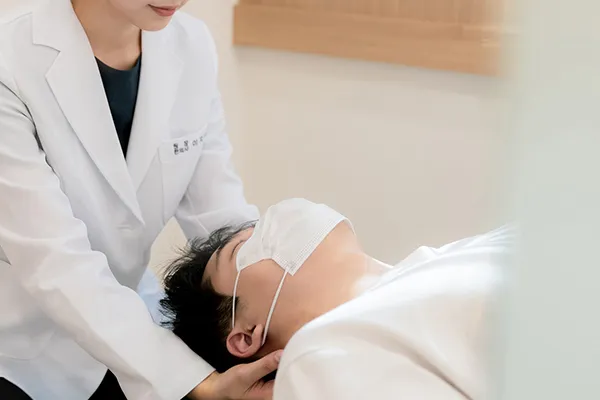
Chuna Manual Therapy
Manual techniques correct alignment abnormalities and restricted range of motion in the spine, joints, and fascia, looking into the structural causes of pain and aiming to improve them. Techniques ranging from gentle myofascial release to joint mobilization are applied according to your body condition, and this treatment may be covered by Korean National Health Insurance.


Acupuncture, Pharmacopuncture & Chuna Treatment Q&A
How is acupuncture different from pharmacopuncture?
Acupuncture inserts needles into acupoints and muscles to relax tension and improve blood circulation. Pharmacopuncture injects a refined herbal-derived solution directly into the painful area, using both the needle stimulation and the pharmacological action at once. When there is clear inflammation or tissue damage, pharmacopuncture may be added to acupuncture.
When is Chuna therapy recommended?
It may help with pain caused by joint-alignment abnormalities and body imbalance, such as cervical disc herniation, lumbar disc herniation, scoliosis, pelvic misalignment, and frozen shoulder. When a structural problem accompanies muscle tension, acupuncture and Chuna may be combined.
Can bruising or swelling occur after acupuncture?
During needle insertion, tiny blood vessels can be stimulated, so bruising or swelling may occasionally occur. In most cases it subsides naturally within a few days.
Is it covered by health insurance?
Acupuncture and Chuna, as covered services, may be eligible for National Health Insurance. Pharmacopuncture is a non-covered service. Whether private medical insurance applies can be checked when you visit.

