


RI& KOREAN MEDICAL CLINIC
Keratosis Pilaris
What is keratosis pilaris?
Keratosis pilaris is a chronic, non-inflammatory skin condition in which hyperkeratosis blocks the openings of the hair follicles. As a result, dead skin cells and keratin build up inside the pores.
It most often appears where the skin is thicker and subject to frequent friction — such as the upper arms, thighs, buttocks, and back — and is more common in people with dry skin or a history of atopic dermatitis.


Our treatment uses Micro Herbal Peeling to clear built-up dead skin cells,
with the aim of helping restore a normal skin renewal (keratinization) cycle.


Main Causes of Keratosis Pilaris
Genetic factors
- Autosomal dominant inheritance
- Filaggrin gene mutations
- Often runs in families
Abnormal keratinization
- Hyperkeratosis around the hair follicles
- Impaired shedding of dead skin cells
- Blocked follicle openings
Weakened skin barrier
- Lack of natural moisturizing factors
- Reduced skin lipids
- Dry skin
Friction & mechanical irritation
- Sportswear, underwear, shoulder straps, etc.
- Repeated rubbing of the skin
- Habitual scratching
Environment & lifestyle
- Dry seasons and low-humidity environments
- Insufficient moisturizing, over-cleansing
- Excessive scrubbing or peeling
Keratosis Pilaris Treatment Process
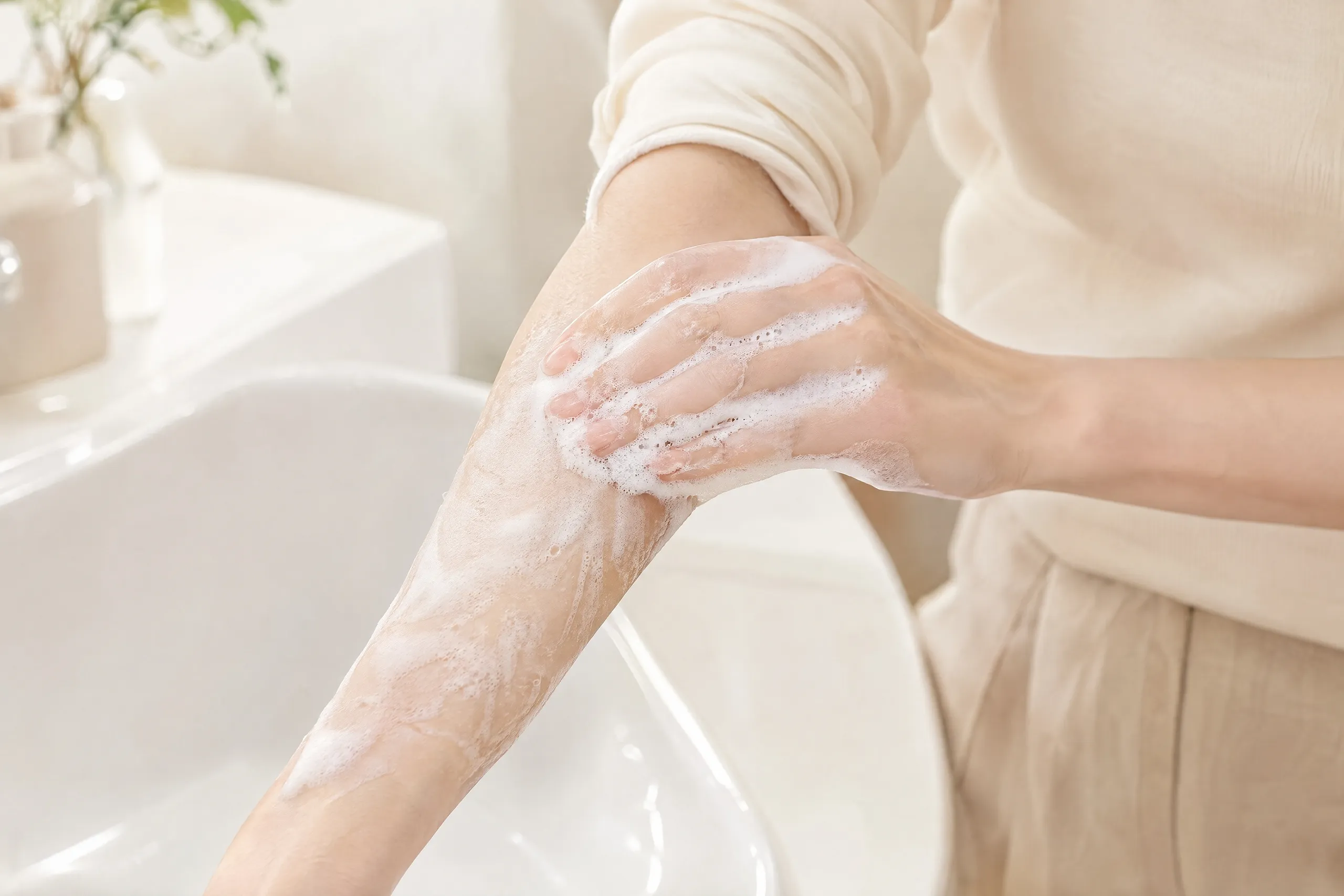
Cleansing
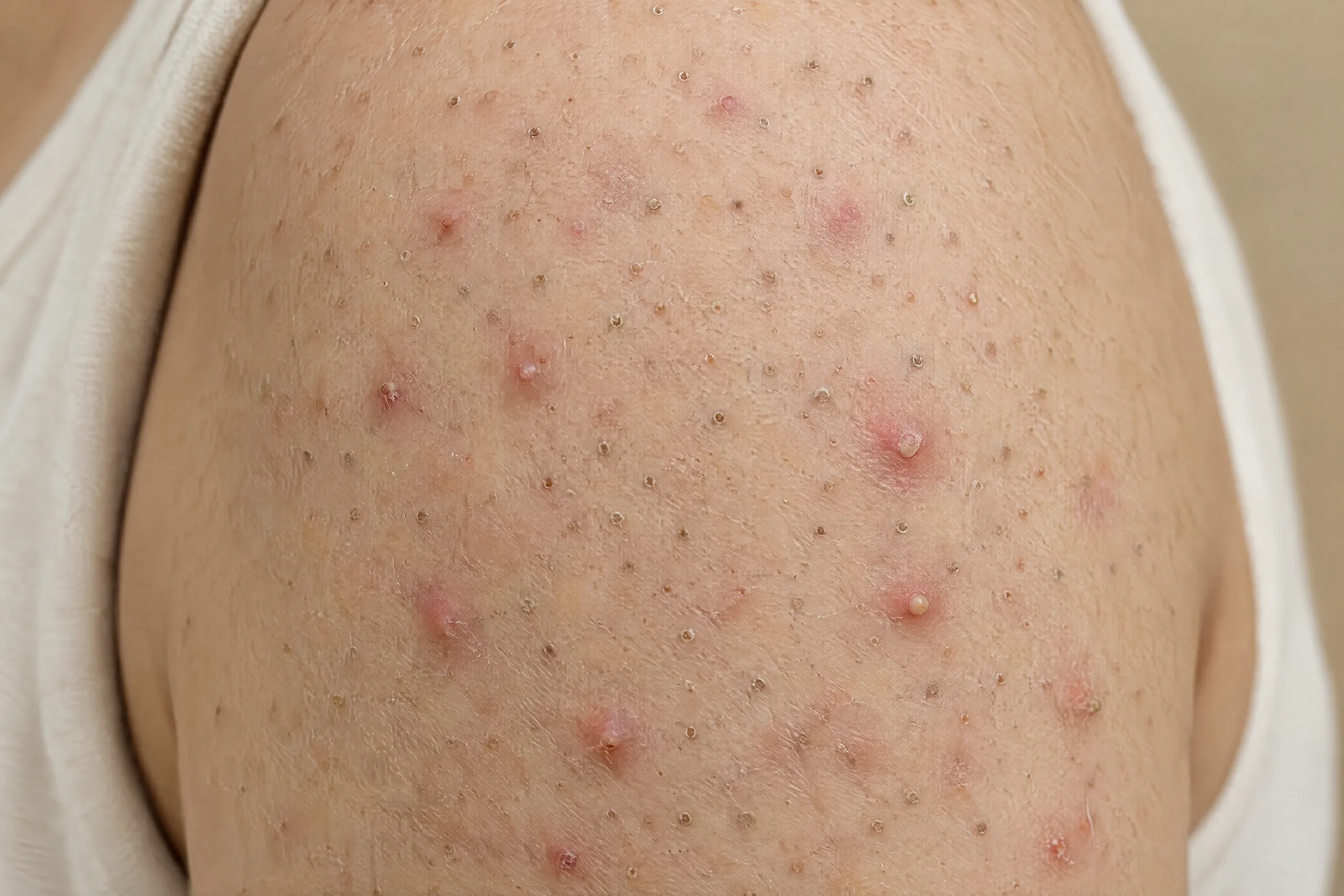
Extraction of inflamed lesions
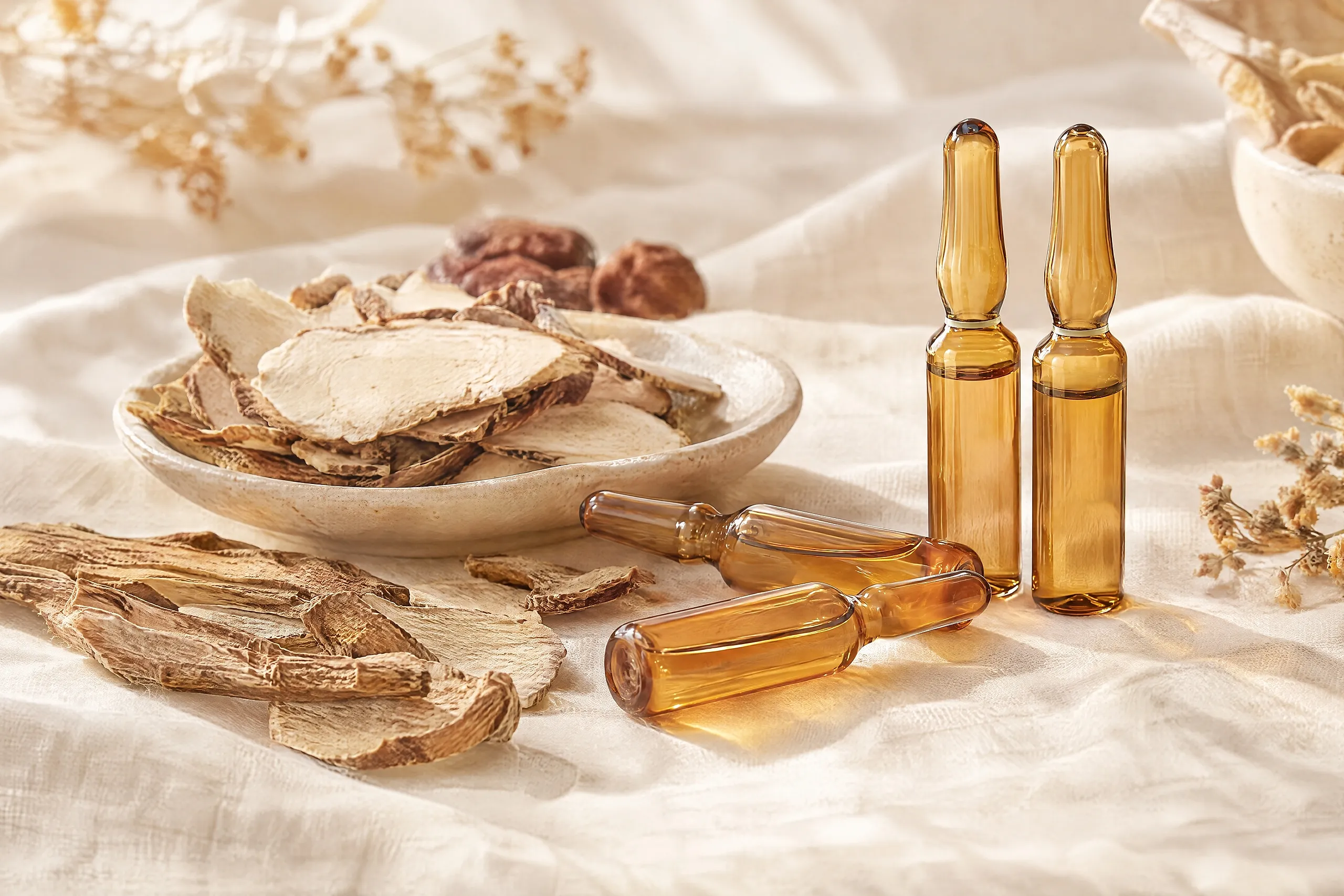
Anti-inflammatory injection
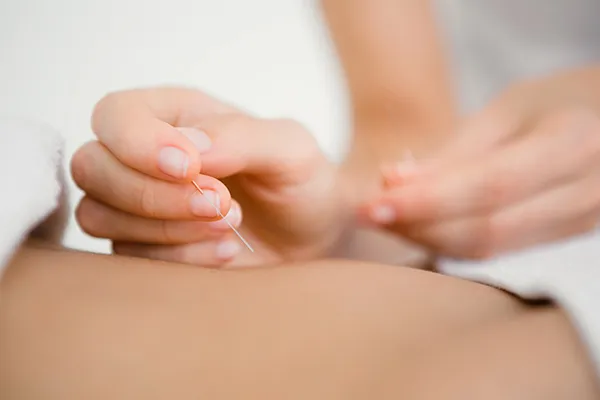
Regenerative acupuncture
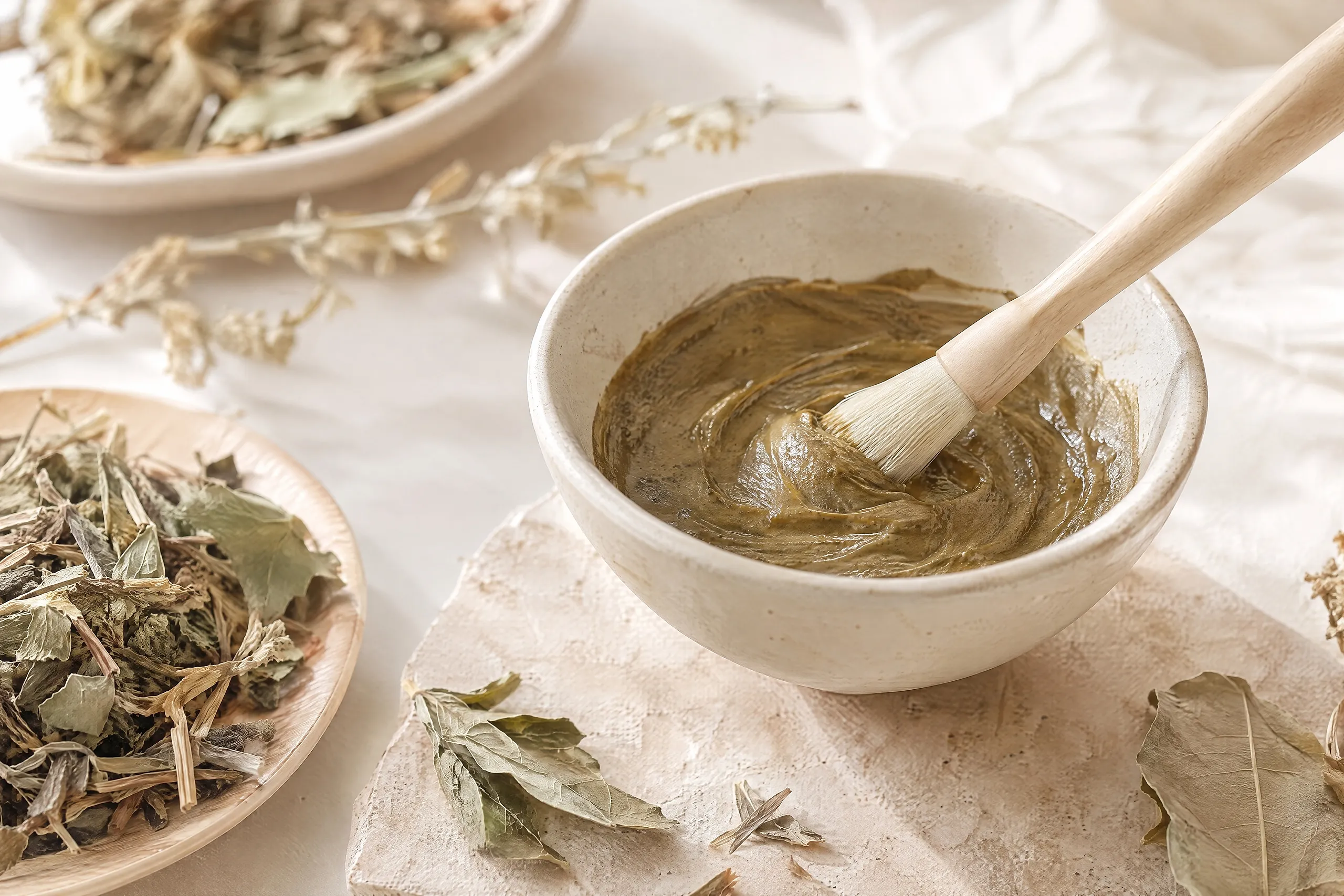
Micro herbal needling
Finishing care


Keratosis Pilaris Treatment at Myeongdong RI& Korean Medicine Clinic

01RI&
Micro Herbal Peeling
Fine micro-needles made from natural herbal ingredients are applied to the skin to gently lift away the outer layer of dead skin cells without irritation, smoothing the hyperkeratosis around the pores. It aims to help improve skin texture.

02RI&
Regenerative Pharmacopuncture
Herbal-derived pharmacopuncture solutions are injected into the damaged outer skin layer and areas sensitized by repeated friction, to support skin recovery. It aims to help restore smoother skin texture and ease pigmentation, in slow-healing keratosis pilaris lesions (results vary).

03RI&
Regenerative Acupuncture
A Korean medicine acupuncture treatment in which fine needles are applied to acupoints that promote circulation in the affected areas, improving skin metabolism and blood flow and helping dry, roughened skin recover. It helps reduce hyperkeratosis around the pores and restore smooth skin texture.

04RI&
Ultrasound Soothing Care
A soothing treatment that uses ultrasound to stimulate microcirculation deep within the skin and calm inflammation. Ultrasonic vibrations (1–3 MHz) gently stimulate the skin tissue to support blood circulation and help support the skin barrier against external irritation.

05RI&
Herbal Soothing Mask
A herbal mask made with naturally derived medicinal herb ingredients that calms and hydrates the skin, suited to caring for sensitive or acne-prone skin. It blends herbs that soothe skin inflammation, formulated to keep irritation low while supporting skin recovery.

06RI&
Keratolytic Topical Treatment
A topical treatment based on keratin-softening ingredients that gently dissolves the hyperkeratotic tissue blocking the pores, to help manage a direct cause of keratosis pilaris. It helps normalize the skin renewal cycle and smooth the skin surface, and may help manage recurrence.
Keratosis Pilaris Q&A
My skin is thin and sensitive — can I still have the treatment?
The micro herbal needles used at RI& Korean Medicine Clinic contain no chemical additives — they are refined from natural herbs into a fine needle form, using a formulation with a uniform crystal structure designed to reduce skin irritation. At every session, we check your skin's condition and adjust the herbal particle blend to your skin type and recovery speed, so treatment can be carried out steadily even on thin, sensitive skin.
How long does keratosis pilaris treatment take?
Because keratosis pilaris is a chronic skin condition in which excess dead skin cells build up and roughen the skin surface, the length of treatment varies depending on your skin's renewal cycle, the thickness of the buildup, and the degree of irritation. Micro Herbal Peeling is performed every 2–3 weeks; over about 4–8 sessions the keratin layer is gradually cleared and the rough bumps can be seen to soften. We adjust the treatment intensity and herbal blend to your skin's regeneration speed and the extent of the lesions, and combining moisturizers, keratolytic agents, and home care may help support improvement (results vary).
Do I need to take herbal medicine during keratosis pilaris treatment?
In most cases, keratosis pilaris can improve with topical treatments and peeling alone. Herbal medicine is recommended only when needed — when skin regeneration is particularly slow or skin metabolism is significantly reduced — and most patients are treated without it.
How much improvement can I expect?
The thickness, extent, and density of the keratin buildup — and the speed of skin regeneration — differ from person to person. Keratosis pilaris may be difficult to clear completely, so rather than simply promising results in a set number of sessions, we walk you through the expected course of improvement based on your individual skin.
Photos of people on this page are staged images, not actual patients.

