

RI& KOREAN MEDICAL CLINIC
Cupping & Circulation Clinic
Cupping and circulation care tailored to your body — RI&
1:1 personalized care that helps improve circulation and ease muscle tension, based on precise assessment and customized treatment.
When circulation slows due to long hours of sitting, repetitive work, stress, or cold sensitivity, symptoms such as neck and shoulder stiffness, back pain, and general fatigue can appear. Cupping therapy aims to release blood stasis and improve blood flow, helping restore your body's circulation.


Who Is RI& Customized Treatment For?
We recommend the Cupping & Circulation Clinic for:
- Those with persistent heaviness and stiffness from shoulder pain and hardened back muscles
- Those with recurring headaches caused by neck and shoulder tension
- Those with cold hands and feet who feel weighed down by cold sensitivity and swelling
- Those with long-standing pain and recurring muscle knots where blood stasis has stagnated
- Those who never feel refreshed even after enough sleep, with ongoing general fatigue
- Those whose circulation has stagnated from stress and overwork, with slow recovery from fatigue
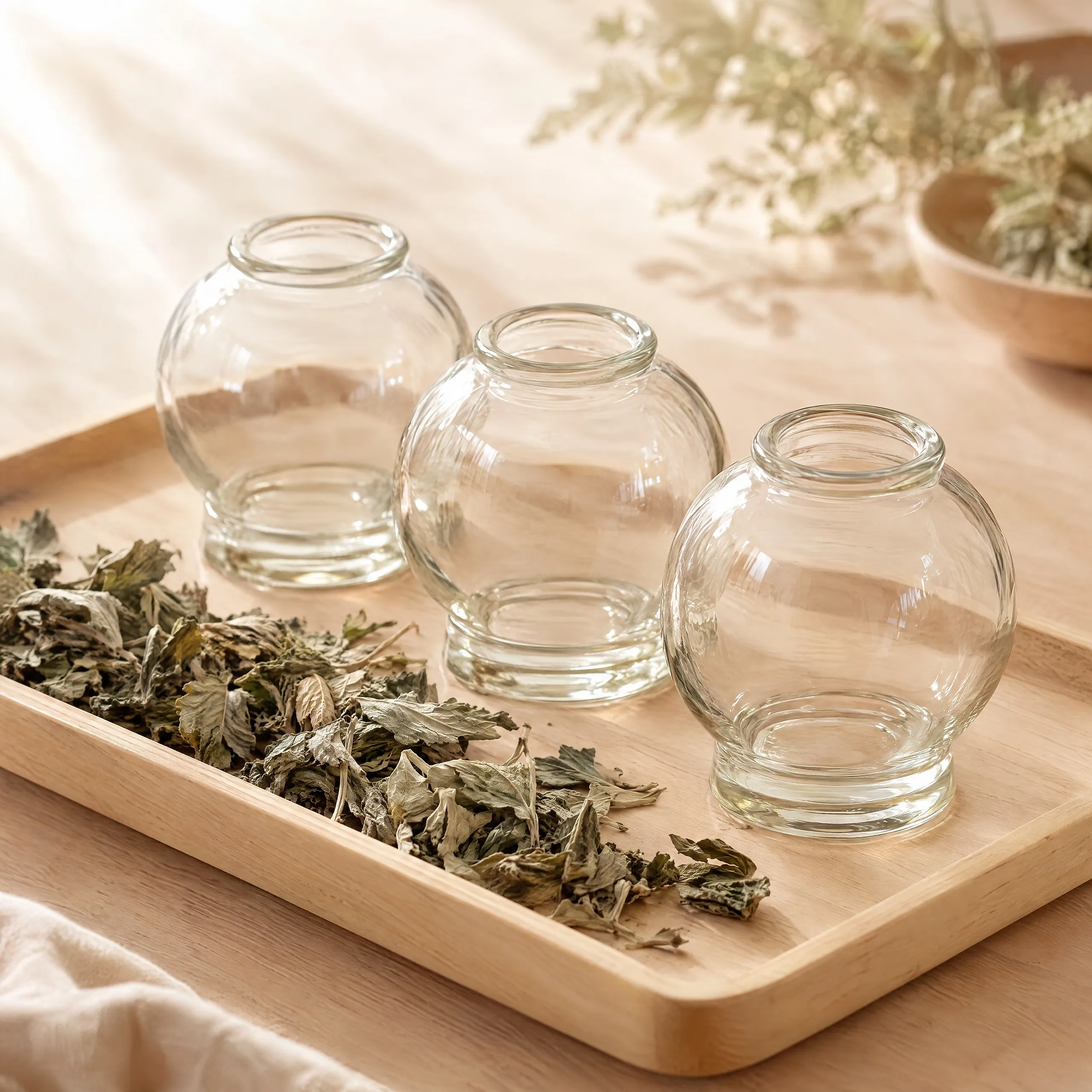
Fire Cupping
A traditional cupping method in which heat is used to create negative pressure before the cup is applied to the skin. Warm thermal stimulation and negative pressure work together to promote blood circulation in the muscle and skin layers. It is used for cold sensitivity, muscle stiffness, and poor circulation in the shoulders and back — the gentle warmth aims to help relax fascial tension and support circulation.
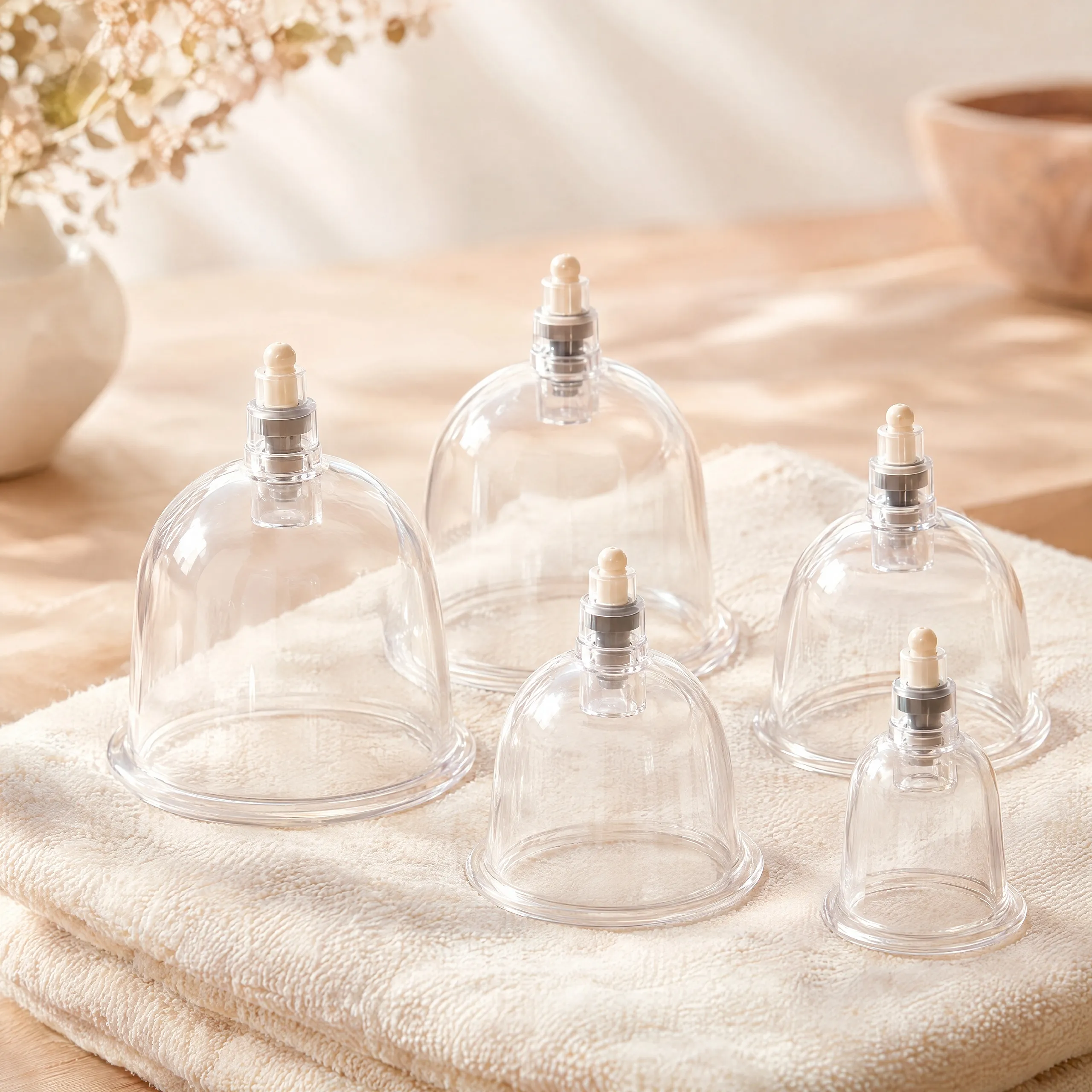
Wet Cupping
After fine stimulation is applied to the skin, cups are placed to draw out stagnant blood stasis directly. Releasing blood stasis aims to improve local blood flow and support tissue recovery; it is used for chronic pain, deep muscle knots, and recurring pain in the shoulders, back, and lower back.


The Cupping & Circulation Treatment Process

Consultation
We assess your pain, cold sensitivity, and circulatory status, and identify the areas of stagnation and the degree of muscle tension.

Treatment Selection
Cupping methods are combined according to the degree of stagnation, with acupuncture or pharmacopuncture added when needed.
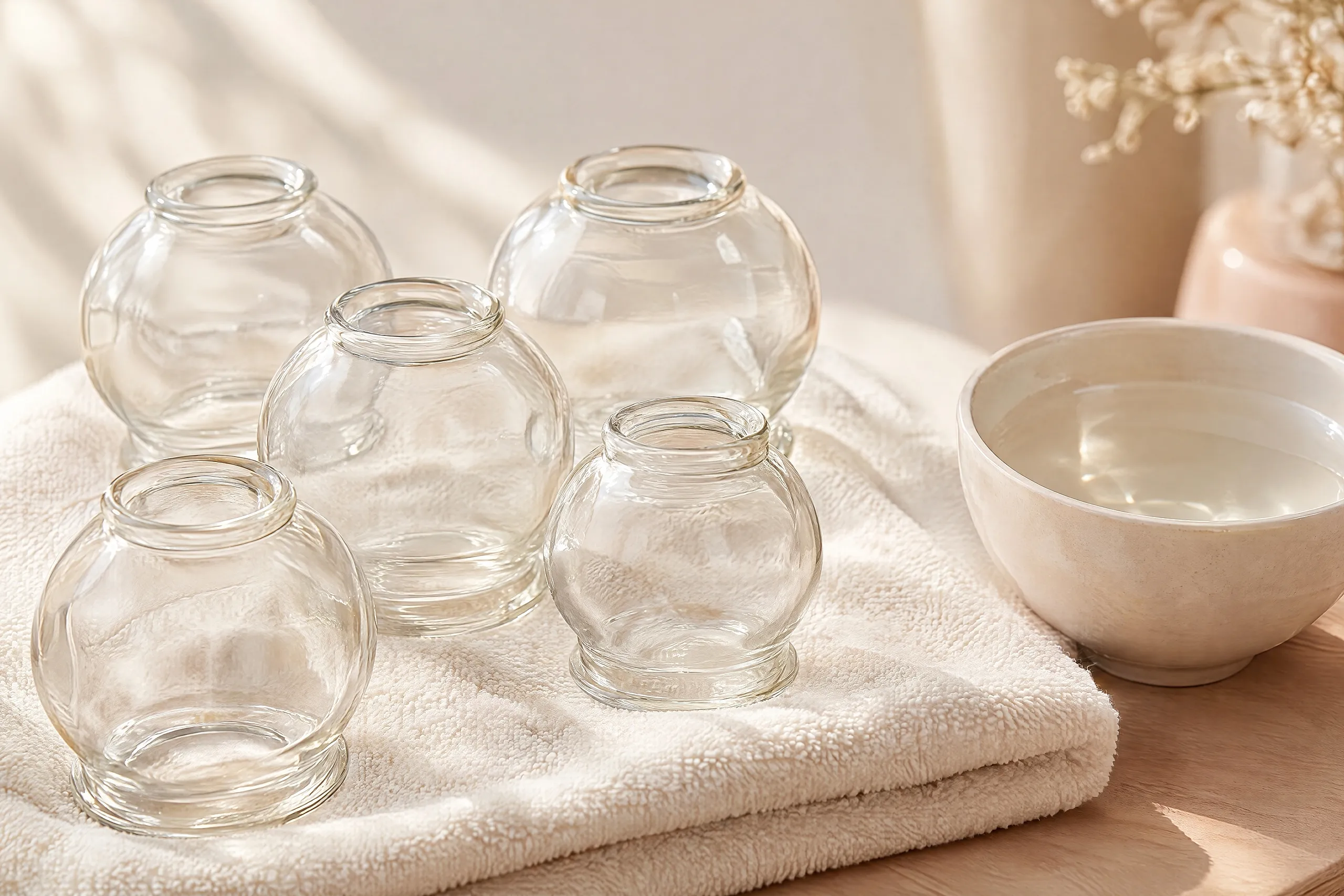
Cupping Treatment
Negative-pressure stimulation helps relieve muscle tension and circulatory stagnation, and supports recovery.
Finishing
We check your skin's response and guide you through precautions regarding showering, alcohol, sauna, and exercise.


Cupping & Circulation Clinic Q&A
How long do the cupping marks last?
It varies with your circulation and degree of muscle tension, but the marks usually fade naturally within 3–7 days. When circulation is heavily stagnated or muscle tension is severe, the marks may appear darker.
Does cupping hurt?
Fire cupping involves a pulling sensation on the skin and a feeling of pressure, but for most people it is quite tolerable. Wet cupping adds fine stimulation and may sting slightly; if you feel significant discomfort during the procedure, the intensity can be adjusted.
What precautions should I take after cupping?
On the day of treatment, avoid saunas, jjimjilbang (Korean bathhouses), alcohol, and strenuous exercise. After wet cupping, keep the treated area clean and avoid contact with hot water and strong stimulation.
Can it be combined with acupuncture?
Yes — cupping can be combined with acupuncture and pharmacopuncture. When muscle tension and pain occur together, we first relax the tension with acupuncture, and then improve circulation with cupping.
Photos of people on this page are staged images, not actual patients.

