


RI& KOREAN MEDICAL CLINIC
Back & Chest Acne
What is back and chest acne?
Like facial acne, acne on the back and chest tends to develop where sebaceous glands are well developed, and is medically classified as truncal acne.
Back and chest acne commonly develops when heat frequently rises to the upper body and the skin's immunity has weakened. Our treatment addresses both the body's internal heat regulation and the recovery of immunity, aiming to calm inflammation and to help manage recurrence and pigmentation recovery.


Main Causes of Back & Chest Acne
Bacterial & Fungal Infection
- Cutibacterium acnes (formerly P. acnes)
Triggers inflammation within the pores together with sebum (acne) - Staphylococcus aureus
Causes infection in the hair follicles, leading to inflammation (folliculitis) - Pseudomonas aeruginosa
Causes infection from contaminated water such as hot tubs and pools (folliculitis) - Malassezia spp.
Causes fungal folliculitis (folliculitis)
- Cutibacterium acnes (formerly P. acnes)
Hormones
- Puberty, the menstrual cycle, and pregnancy
- Hormonal imbalance
- Stress
- Polycystic ovary syndrome (PCOS)
Weakened Immunity
- Chronic stress
- Use of steroids
- Taking immunosuppressants
- Damage to the skin barrier (over-cleansing, frequent peeling, harsh cosmetics)
Excess Sebum Production
- Genetic factors
- Diet (oily foods and processed foods)
- Environmental factors (hot and humid conditions, sweat, dust)
- Oily skin and the use of oil-rich cosmetics
Diet & Lifestyle
- Excess buildup of dead skin cells
- Incomplete cleansing and cosmetic residue
- High-sugar foods and dairy products
- Lack of sleep and stress
External Factors
- Wearing masks and friction against the skin
- Touching your back or chest with your hands
- Sun (UV) exposure
- Using unclean pillows and towels
The Back & Chest Acne Treatment Process
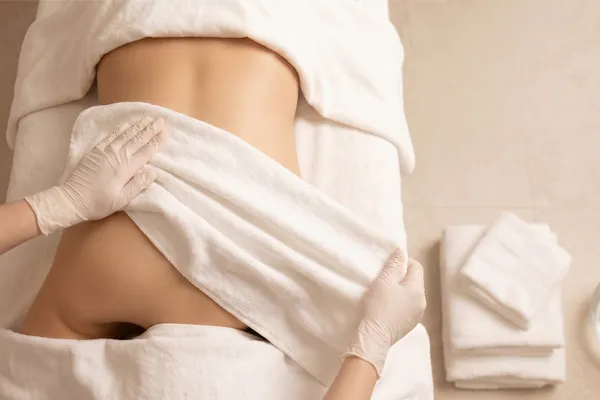
Cleansing
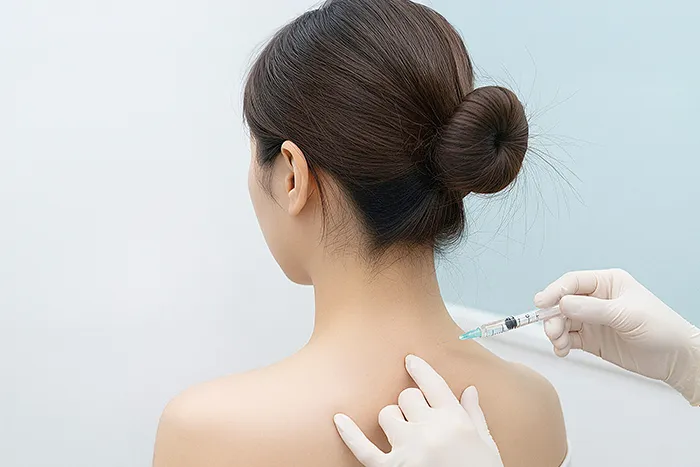
Anti-Inflammatory Injection
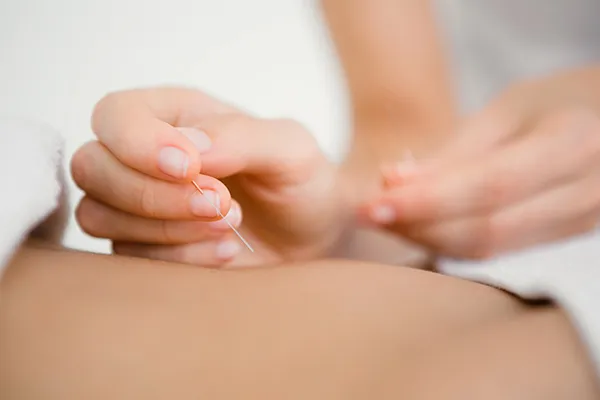
Regenerative Acupuncture
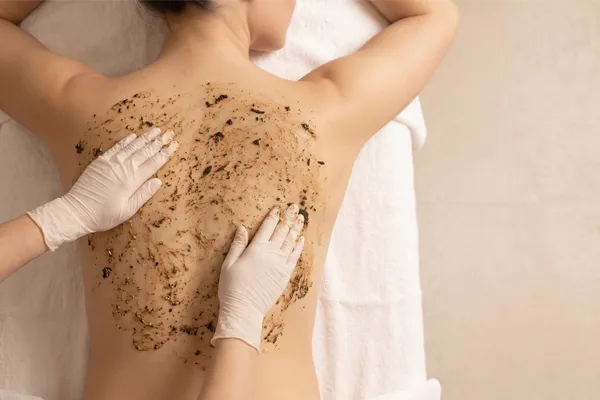
Micro Herbal Needling
Finishing Care


Back & Chest Acne Treatment at Myeongdong RI& Korean Medicine Clinic

01RI&
PDT (Photodynamic Therapy)
Using light of specific wavelengths, this therapy suppresses overactive sebaceous glands and reduces the acne-causing bacterium Cutibacterium acnes. It is added to reduce active breakouts that keep appearing even during micro herbal needling treatment.

02RI&
Extraction
Whiteheads, blackheads, and pustular acne on the back and chest are extracted in a way that minimizes irritation to the skin. Precisely clearing acne spread over a wide area helps slow the progression of inflammation, reduce pigmentation, and prevent scarring.

03RI&
Anti-Inflammatory Pharmacopuncture
Herbal ingredients with anti-inflammatory properties, such as Hwangnyeon-haedok-tang (Coptis detox decoction) and centipede (Ogong) pharmacopuncture, are injected directly into the skin to help calm inflammation. Even in areas like the back and chest, where the skin is thick and slow to regenerate, it helps with soothing, pain relief, and fading pigmentation.

04RI&
Regenerative Acupuncture
A Korean medicine acupuncture treatment in which fine needles are applied to acupoints on the back and to inflamed areas to promote the circulation of qi and blood. By clearing internal heat-toxin (熱毒), it aims to help manage acne recurrence and support skin recovery.

05RI&
Micro Herbal Peeling
Microneedles made from natural herbal ingredients gently stimulate the outer skin layer, gradually shedding pigmented epidermis and helping to improve rough texture and discoloration on the back and chest. It aims to reduce inflammation and help fade acne marks (results vary).

06RI&
Ultrasound Soothing Care
A soothing treatment that uses ultrasound to promote microcirculation deep within the skin and ease inflammation. Ultrasonic vibrations (1–3 MHz) gently stimulate the skin tissue to aid blood circulation and help reduce inflammation in acne-prone skin. It also helps support the skin barrier against external irritants.

07RI&
Herbal Soothing Mask
A herbal mask that uses naturally derived herbal ingredients to soothe and hydrate the skin, suited to caring for sensitive or acne-prone skin.

08RI&
Customized Herbal Medicine
A treatment that looks at the causes of acne and folliculitis according to your constitution and aims to improve them while maintaining skin health. By addressing heat-toxin and inflammation, it aims to help regulate sebum production and support immunity. It can also be prescribed in pill (hwan) form, which makes it easy to take consistently over the long term.

09RI&
Herbal Topical Preparation
A topical preparation based on herbal-derived ingredients that helps regulate sebum, calm inflammation, and support skin regeneration, to help relieve acne on the back and chest. It aims to reduce sebum in these recurrence-prone areas and support the skin barrier to help keep breakouts down.

prescribed to suit your constitution and symptoms
Herbal prescription and preparation
Individual prescriptions are prepared with pharmaceutical-grade herbal ingredients manufactured under the MFDS herbal Good Manufacturing Practice (hGMP) standard.
Each prescription is decocted separately.
Pharmaceutical-grade herbs
Prescribed by constitution and symptoms
Decocted per prescription
Progress checks while you take it
Back & Chest Acne Q&A
What if I have both active acne and acne marks?
Before any procedure, we always begin by assessing the skin and performing extraction. Even when acne keeps recurring, precise extraction and anti-inflammatory pharmacopuncture can help control the inflammation. Small comedones and tiny bumps tend to clear naturally as dead skin sheds during micro herbal needling. If inflammatory acne keeps recurring over a wide area, internal treatment (herbal medicine) that takes skin immunity and hormonal balance into account may be combined with the procedures.
How long does treatment for back and chest acne take?
Because acne on the back or chest covers a wide area and forms where the skin regenerates slowly, it can take longer to treat than facial acne. When active acne is present, we typically perform one PDT session early on and then calm the breakouts and marks with micro herbal needling. For acne marks on the back and chest, 4 to 8 or more sessions may be needed depending on the extent and depth of the pigmentation. Clinical changes are generally observed from around four weeks after treatment begins; from there, we adjust the herbal prescription and the proportions of herbal peeling and herbal topical care according to your response, to tailor the treatment to your progress.
Can acne actually get worse after a procedure?
In most cases, acne gradually decreases. However, for skin with many comedones hidden within the pores (invisible closed comedones), sebum discharge can become more active after the first sessions, sometimes causing a temporary increase in breakouts. These are not new pimples but a normal response as previously trapped sebum is pushed out. Usually, from the second or third session onward, the frequency of inflammation and sebum production tends to stabilize in many cases, though progress varies from person to person.
Do I have to take herbal medicine?
Not necessarily. If your skin responds well to external treatment and retains its regenerative capacity, the procedures alone may be enough to improve it (results vary). However, if inflammation keeps recurring, if the skin is slow to regenerate and wounds heal poorly, or if there is a whole-body imbalance such as heat in the upper body or weakened skin immunity — and the back and chest acne keeps returning — herbal medicine may be combined to restore balance from within.
Photos of people on this page are staged images, not actual patients.

