


RI& KOREAN MEDICAL CLINIC
Melasma, Pigmentation & Lentigo
What are melasma, pigmentation and lentigo?
Melasma, pigmentation, and lentigo all appear as brown or dark-colored lesions, but they differ slightly in their causes, depth, and response to treatment.
Though they may look like simple blemishes on the surface, they are often a mix of several pigmented lesions — so an accurate diagnosis is the first step toward the right treatment.


RI& KOREAN MEDICAL CLINIC
Melasma, Blemishes & Lentigo


How it works
Melasma results from excess melanin production and mainly appears on the cheeks, forehead, and under the eyes,
while lentigo appears as clusters of small, flat brown or black spots with clear borders.
Blemishes are marks left by sun exposure or by conditions such as dermatitis or folliculitis.
Although they look alike, each differs in cause and in how deep it sits in the skin.
At RI& Korean Medicine Clinic, we assess melasma, lentigo, and blemishes carefully and plan treatment suited to your skin condition.
Point 1
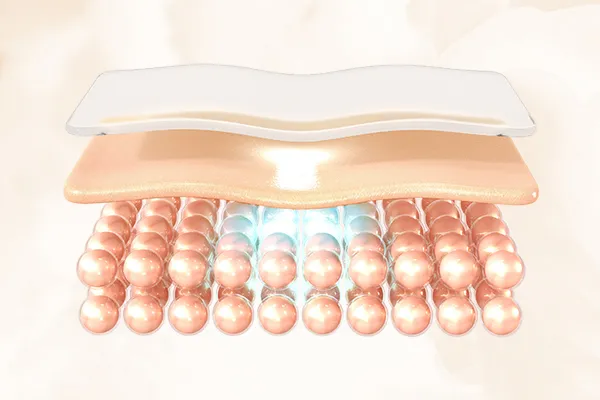
Targets melanin pigment selectively, aiming to keep heat damage to the skin low
Point 2
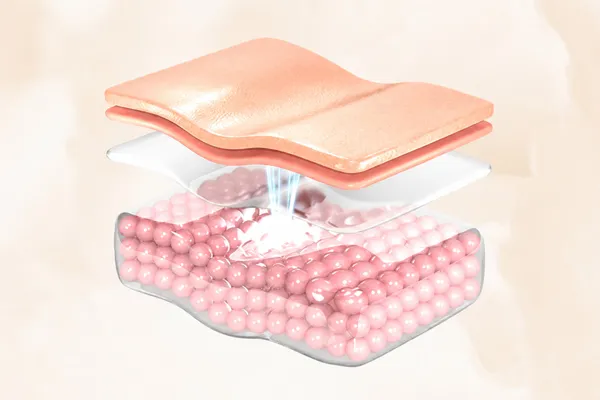
Pigment is classified by depth and type, and treatment is tailored to it
Point 3
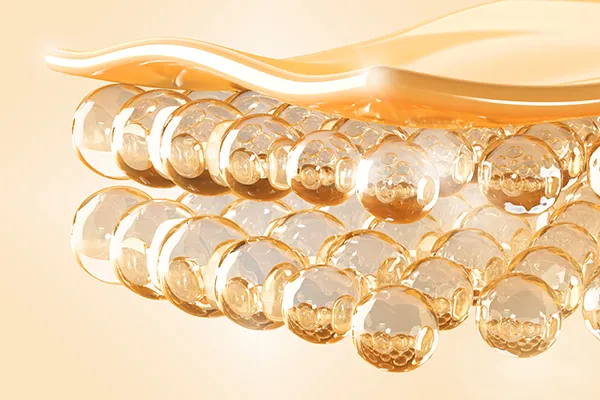
Works on the dermis as well as the surface, aiming to help improve skin texture
Point 4
Downtime is short for most people, though recovery varies by skin condition



Have these concerns?
This treatment is recommended for:
- Those who want to improve melasma and lentigo while minimizing irritation to the skin
- Those troubled by growing lentigo and recurring melasma
- Those whose skin has darkened from frequent UV exposure
- Those bothered by a dull, uneven skin tone from lentigo and blemishes
- Those who want a clear, even skin tone by improving melasma and blemishes
Melasma, blemish & lentigo treatment process
Consultation
Applying numbing cream
Melasma, blemish & lentigo treatment
Finishing care


Skin Analysis SKIN ANALYSIS
Multi-Angle Imaging
photographs your skin from several angles
UV & Visible Light Imaging
shows conditions that are hard to see with the naked eye, such as sun damage and pigmentation
High-Resolution Imaging
lets us look closely at pores, wrinkles and pigmentation
Saved Results
stores each analysis so changes can be compared over the course of care
Used in Consultation
we explain your skin condition and care options based on the results
Melasma, Pigmentation & Lentigo Q&A
How are melasma and lentigo different?
Melasma has blurred, widely spreading borders and typically appears symmetrically on both cheeks and the cheekbone area. Beyond UV exposure, it arises from a combination of factors — hormones, stress, and the state of the skin barrier — which is why it tends to recur. Lentigo appears as sharply defined brown to dark-brown spots, caused by localized overactivation of melanocytes from cumulative UV damage. Even though both are brown pigment, their causes and depths differ, so the treatment approach differs as well.
Will one pigment treatment session be enough?
For pigment that is sharply defined and shallow, like lentigo, a noticeable change may appear after a single session. Melasma or widespread pigmentation, on the other hand, carries a risk of post-inflammatory hyperpigmentation (PIH) if treated with strong energy all at once — so repeated treatment at low energy is generally the safer approach.
Why apply a patch after lentigo treatment, and for how long?
After laser treatment for lentigo, a thin scab forms on the treated area. The patch protects the scab from external irritation, contamination, and UV rays, and helps it fall off naturally. We generally recommend keeping it on for 2 weeks; peeling off the scab by force or removing the patch too early — before the scab has fully come off — can leave pigmentation or scarring, so care is needed.
How soon can I have a repeat lentigo treatment?
It takes at least 4–8 weeks for the skin to fully recover after lentigo treatment. Having a repeat procedure before regeneration is complete — even after the scab has fallen off — increases the risk of pigmentation. If residual pigment remains, we decide on a repeat procedure after checking your recovery, and generally recommend intervals of 6–8 weeks.
When can I wash my face and wear makeup after treatment?
With gentle toning-type treatments, washing and makeup are usually possible the same day. For lentigo treatment that forms a scab, gently wash the area without rubbing until the scab has fully fallen off, and it's best to avoid scrubs, peels, and heavy makeup.

