


RI& KOREAN MEDICAL CLINIC
Scars & New-Skin Regeneration Needling
What is a scar?
A scar is a structural change in the skin that occurs when damage reaches the dermis — from acne, inflammation, or injury — and collagen fails to rebuild normally.
Acne scars are classified by shape into ice pick, boxcar, and rolling scars — each differing in depth and form, and therefore in how they are treated. New-Skin Regeneration Needling applies fine stimulation to the dermis of the scarred area to induce new collagen synthesis, and releases the fibrous adhesions beneath depressed areas, aiming to gradually lift and smooth the sunken skin (results vary).


In scar treatment, it is important to comprehensively assess the depth, shape,
degree of adhesion, and skin condition, then adjust the intensity of stimulation and the interval between sessions.
Older or deeper scars tend to improve gradually over multiple sessions.
At each stage of treatment, we check how the skin is recovering and finely adjust the intensity and interval,
aiming for steady scar improvement.

Main Causes of Scars
Deep inflammatory acne
Forceful squeezing and repeated irritation
Recurrent inflammation and a weakened skin barrier
Scars from injury, surgery, or burns
RI& New-Skin Regeneration Needling
Treatment Process for Depressed Scars
Using needles, we stimulate the skin's surface and dermis to loosen hardened scar tissue and
create an environment that supports tissue repair and remodeling.

The skin recognizes this as an injury and initiates a natural wound-healing response.

New tissue and collagen gradually form, helping to improve the depressed scar (recovery speed varies).

As collagen remodeling and skin renewal continue, the treated area gradually becomes firmer and smoother.

Types of scars
Acne scars
Ice pick
Deep, narrow pitsBoxcar
Square-shaped depressions with sharp edgesRolling (round)
Round depressions with soft edgesPore-type
Small, dense pits that look like enlarged poresMixed
A combination of the types above
Types of scars
Various pitted scars
Acne scars
Surgical scars
Chickenpox scars
Fingernail scars
Nose scars
Scar treatment process
Consultation & scar assessment
Numbing cream application
New-Skin Regeneration Needling (scar treatment)
Soothing care & regenerative acupuncture
Finishing care
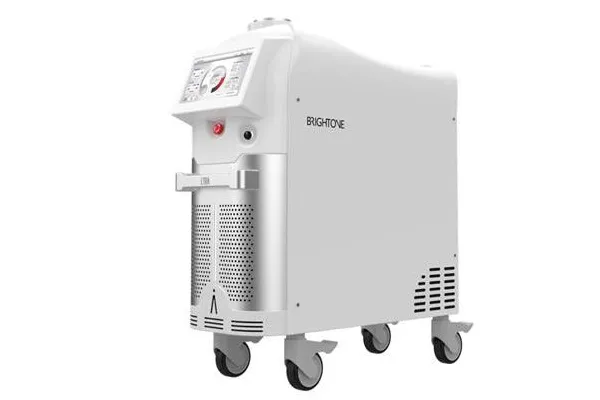
PIGMENT LASERLaser for pigmented lesions
Four laser modes for various pigmented lesions. This is a laser medical device used in treating pigmented lesions such as melasma, freckles, age spots, and tattoos. Its MLA handpiece is also used for pores and acne scars. Energy and mode are adjusted to your skin’s condition.
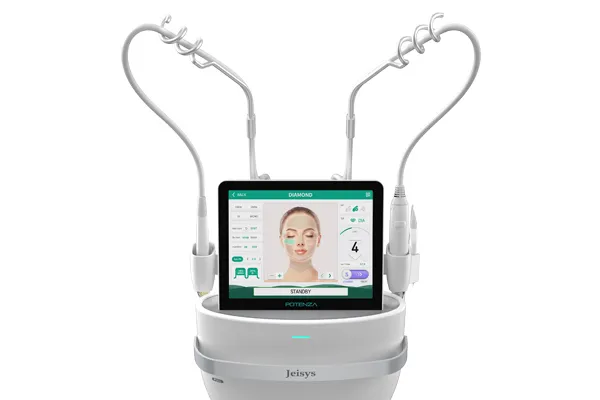
RF MICRONEEDLINGMicroneedle RF device
Radiofrequency energy across the skin in suction mode; in needling mode, the RF device delivers energy to a set depth of the dermis. RF energy is applied to skin affected by acne scars, enlarged pores, and redness with the aim of supporting collagen remodeling. The depth is adjusted to your skin’s condition.
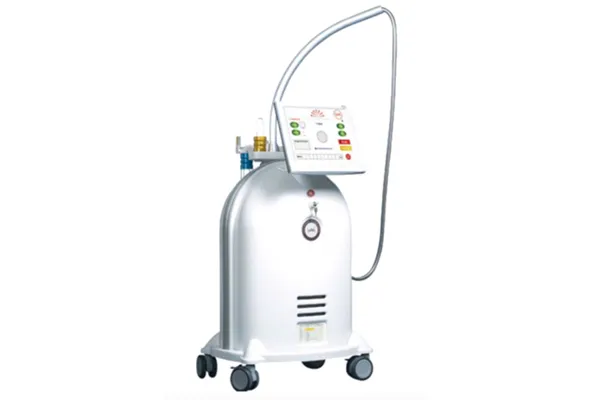
FRACTIONAL LASERMicro-channel regeneration laser
A laser for scars, fine lines, and pores. This medical laser device creates micro-holes in the skin to stimulate the skin’s natural repair process. The micro-holes are evenly spaced and reach a controlled depth. Recovery time and the degree of improvement vary with each person’s skin condition.


Scar Treatment Q&A
Can old scars be treated too?
Yes. However, because the tissue in old scars has hardened and regenerates more slowly, repeated treatments aim for gradual improvement, depending on their depth and shape (results vary).
How many sessions will I need, and how far apart?
It depends on the scar's depth, degree of adhesion, and your skin's condition, but we generally recommend 4 sessions at 2–3 week intervals. Rather than removing the scar completely in one go, treatment aims for gradual improvement through repeated sessions (results vary).
Will I see results after just one session?
Scar and pore treatment aims for gradual improvement over repeated sessions, so consistent treatment is needed (results vary).
How long is the recovery period after the procedure?
Redness and mild swelling usually subside within 3–5 days, and scabs or flaking typically clear up in about a week. With deeper scar treatments or sensitive skin, redness may last somewhat longer.
What precautions should I take after the procedure?
For 24–48 hours after treatment, avoid excessive heat — saunas, jjimjilbang (Korean dry saunas), and intense exercise. Don't pick at scabs; let them fall off naturally. For at least a week, apply plenty of regeneration cream and sunscreen. Avoid scrubs, extractions, and strong peels until your skin has fully recovered.
Can I have New-Skin Regeneration Needling and laser treatment together?
Depending on your skin's condition, the two can be combined. Depressed scars are treated with New-Skin Regeneration Needling to release adhesions and lift the depression, and if redness or pigmentation is also present, laser or regenerative care can be considered in addition. Whether both are performed on the same day is decided based on how well your skin is recovering.
Photos of people on this page are staged images, not actual patients.

