


RI& KOREAN MEDICAL CLINIC
Raised Moles
What are raised moles?
A raised mole is a mole that protrudes above the surface of the skin — medically, an elevated melanocytic nevus.
It can appear on the face, neck, jawline, scalp, torso, and elsewhere, in shades of brown or black or in a tone close to the surrounding skin, which can sometimes make it hard to tell whether it is a mole or another type of skin growth.


Because the likelihood of recurrence depends on the depth and root of the lesion, precise removal is essential
— based on an accurate assessment of how deeply and where the lesion sits in the skin,
so that it is removed neither too shallowly nor too aggressively deep.
Rather than simply shaving off the raised portion, we carefully evaluate the depth of the lesion and the condition of your skin, and plan everything from the procedure itself through aftercare — keeping damage to the surrounding skin to a minimum while reducing the risk of recurrence and scarring.
The Raised-Mole Removal Process

Cleansing
The treatment area is thoroughly cleaned.

Lesion Assessment
We assess the degree of protrusion,
size, depth, and location of the lesion.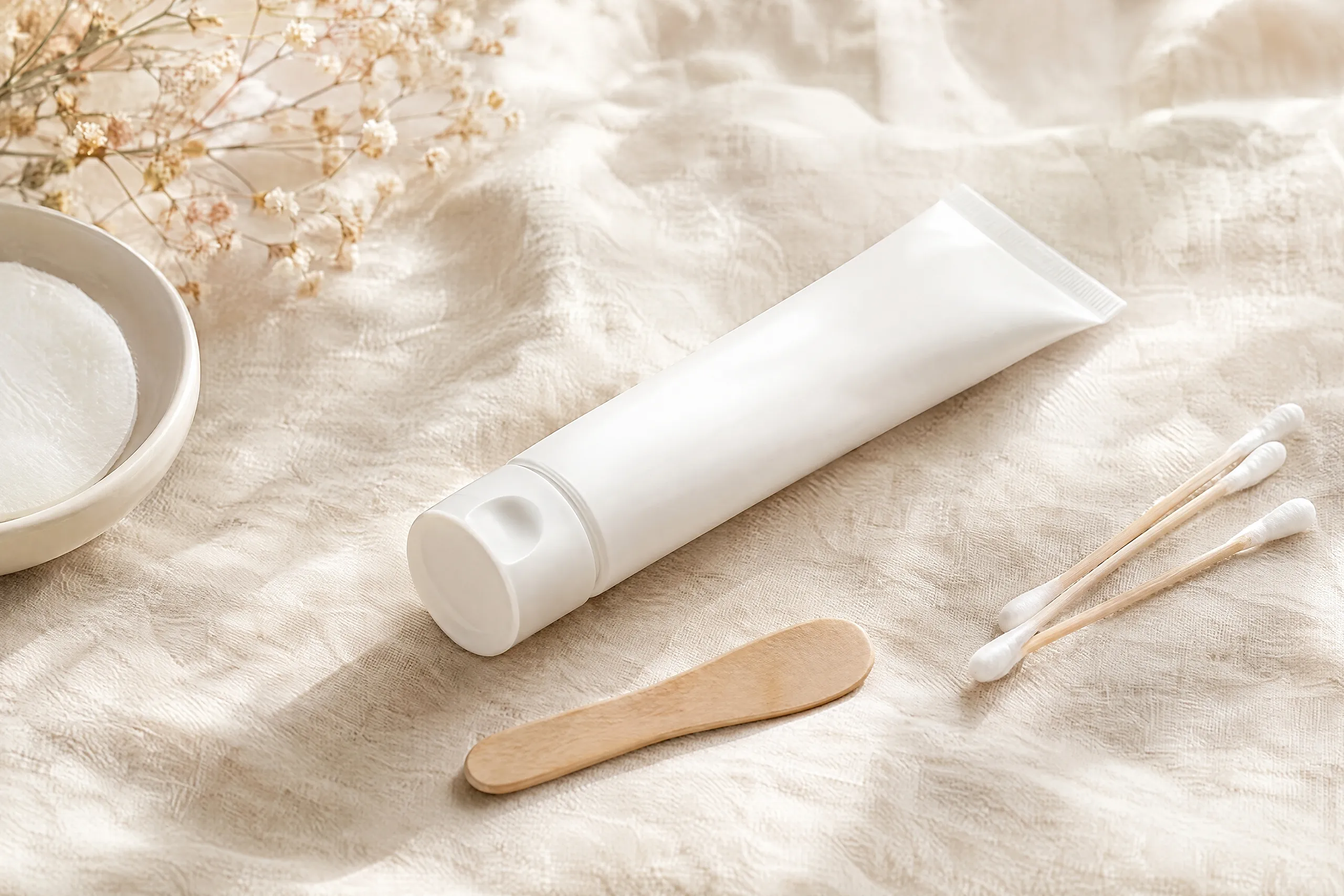
Numbing Cream
A topical anesthetic cream is
applied to minimize discomfort.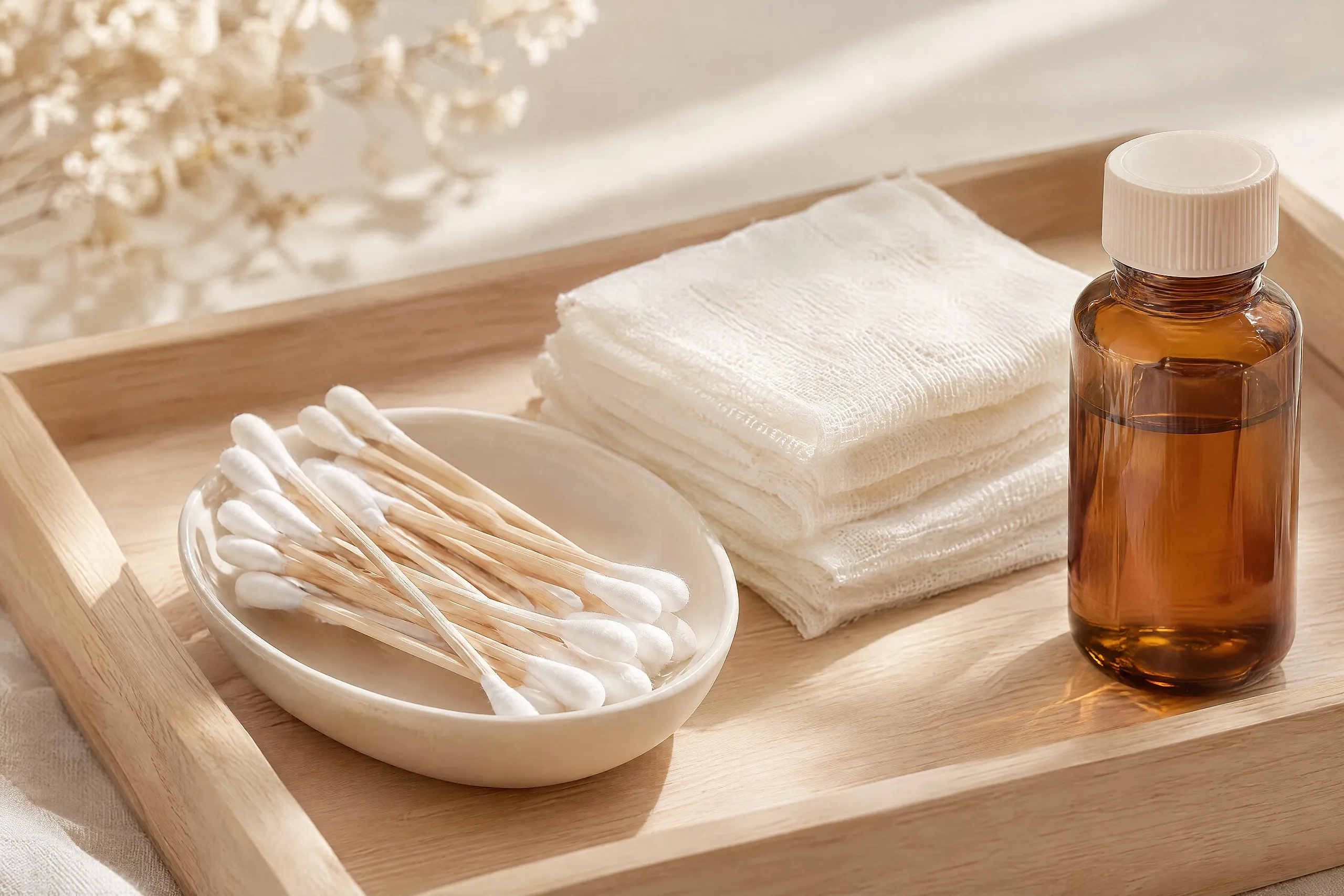
Lesion Removal
The raised lesion is delicately removed
with a CO2 laser or pichim (lancet-needle) therapy.
Protective Patch
A protective patch is applied depending
on the depth and location of the wound.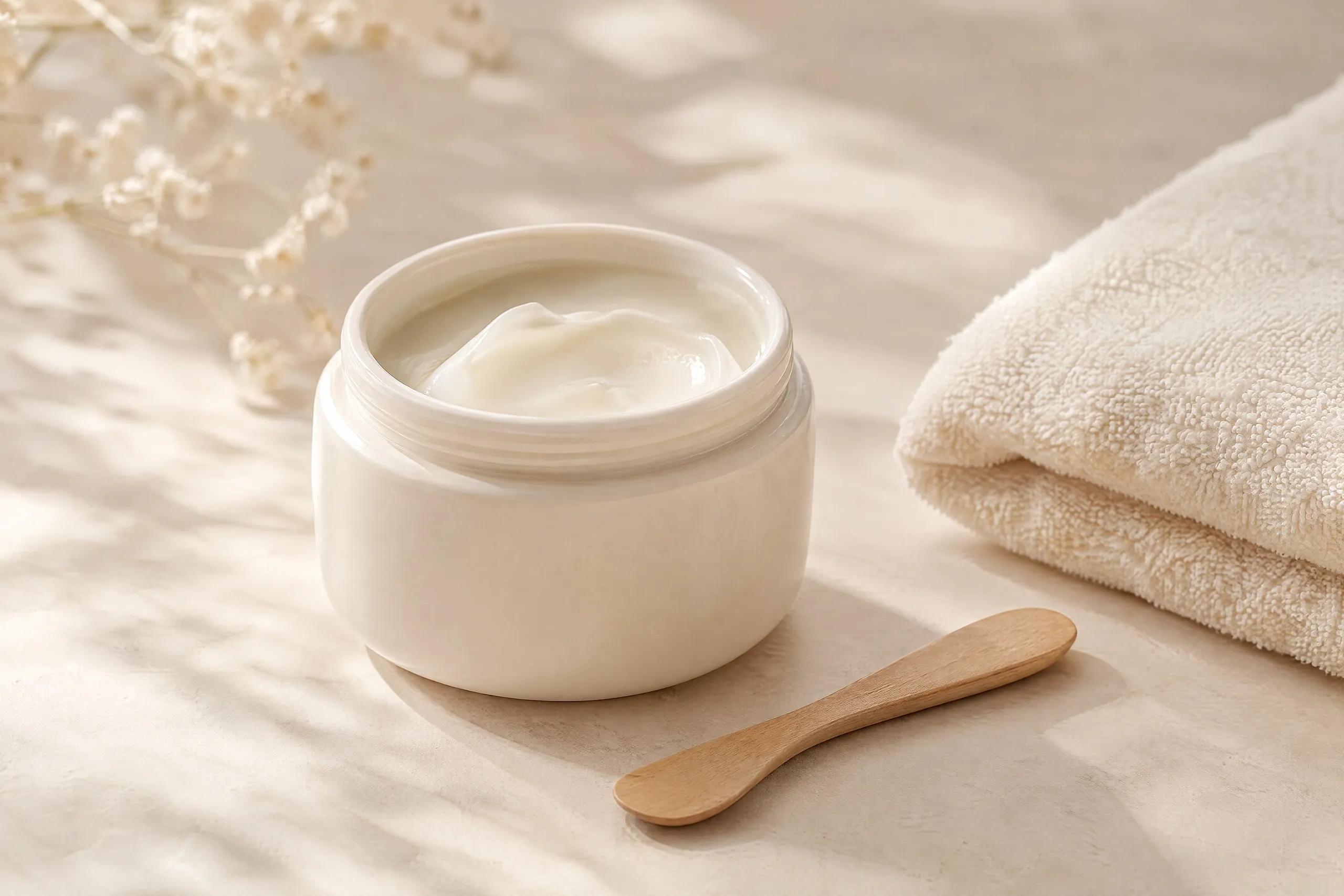
Aftercare Guidance
We guide you through cleansing,
makeup, regeneration cream, and sun protection.


Raised Moles Q&A
What is pichim (lancet-needle) therapy?
Pichim therapy is a form of acupuncture used in Korean medicine, in which a specially crafted pichim (鈹鍼, a traditional lancet-shaped needle) is used to remove skin lesions with precision. Because the lesion is treated physically — without electrocautery or laser — there is no heat stimulation, and damage to the surrounding tissue is kept to a minimum. It can be applied to a wide range of raised skin lesions, including raised moles and skin tags. Since the needle allows careful treatment matched to the lesion’s depth, it can help reduce the risk of recurrence.
How long does recovery take after removal?
It varies with the size and depth of the lesion. On the face, small and shallow lesions typically show redness and scabbing for about 3–5 days, while larger or deeper lesions may take 1–2 weeks. On the body, where the skin regenerates more slowly than on the face, it is best to allow around two weeks.
Can scarring or pigmentation occur?
Raised moles do not only sit above the skin — they often extend some depth below it, so removing them too aggressively can leave indentations or scars. Pigmentation after the procedure is mainly caused by UV exposure, forcibly picking off scabs, and repeated friction. Let scabs fall off naturally, and use regeneration cream and sunscreen consistently — this is important for preventing pigmentation.
Are there raised moles that need a medical examination before removal?
A lesion that suddenly grows quickly, has irregular borders, shows multiple or changing colors, or repeatedly bleeds, itches, hurts, or crusts on its own may not be a simple benign raised mole — it must be properly evaluated before any cosmetic removal. When benign and malignant lesions are clinically difficult to tell apart, a biopsy may be required, so if you notice any changes in a lesion, it is safest to have it examined first.
Photos of people on this page are staged images, not actual patients.

