


RI& KOREAN MEDICAL CLINIC
Flat Warts
What are flat warts?
Flat warts are a viral skin condition caused by human papillomavirus (HPV) infection. They appear as small, flat papules that spread in clusters across the skin's surface.
They commonly appear on frequently exposed and irritated areas — the face, neck, arms, and backs of the hands — and tend to spread to surrounding skin through repeated irritation such as shaving, scratching, or friction.


Flat warts often go untreated because they cause few noticeable symptoms, but due to the nature of the HPV virus,
the more they are irritated, the more the lesions spread — potentially leading to pigmentation and scarring — so early treatment is important.
Accurately identifying the full extent of both visible and latent lesions, and taking an integrated approach
— from removal to regenerative care while minimizing skin damage — is the key to reducing recurrence.

Main causes of flat warts
Human papillomavirus (HPV) infection
- Low-risk HPV infection
- mainly associated with HPV types 3 and 10
- lesions form through infection of the skin's epidermal layer
- can be transmitted by direct contact
Weakened skin immunity
- Lowered immune defenses
- fatigue, lack of sleep, stress
- a state of disrupted immune balance
- makes viral proliferation and spread easier
Skin irritation and micro-injuries
- Shaving, friction, scratching
- the habit of picking or scratching with the hands
- viral penetration through tiny wounds
- lesions can spread along irritated areas
Autoinoculation (self-spread)
- Spread to surrounding areas after touching existing lesions
- spreading by touching with the hands
- repeated use of razors, towels, etc.
- multiple lesions on the same or adjacent areas
Environment and lifestyle
- Skincare habits with excessive irritation
- frequent exfoliation and forceful extraction
- irregular lifestyle and poor condition
- using poorly sanitized tools
Flat wart treatment process

RSA autonomic nervous system test, pulse-wave imaging immunity test & consultation

Cleansing
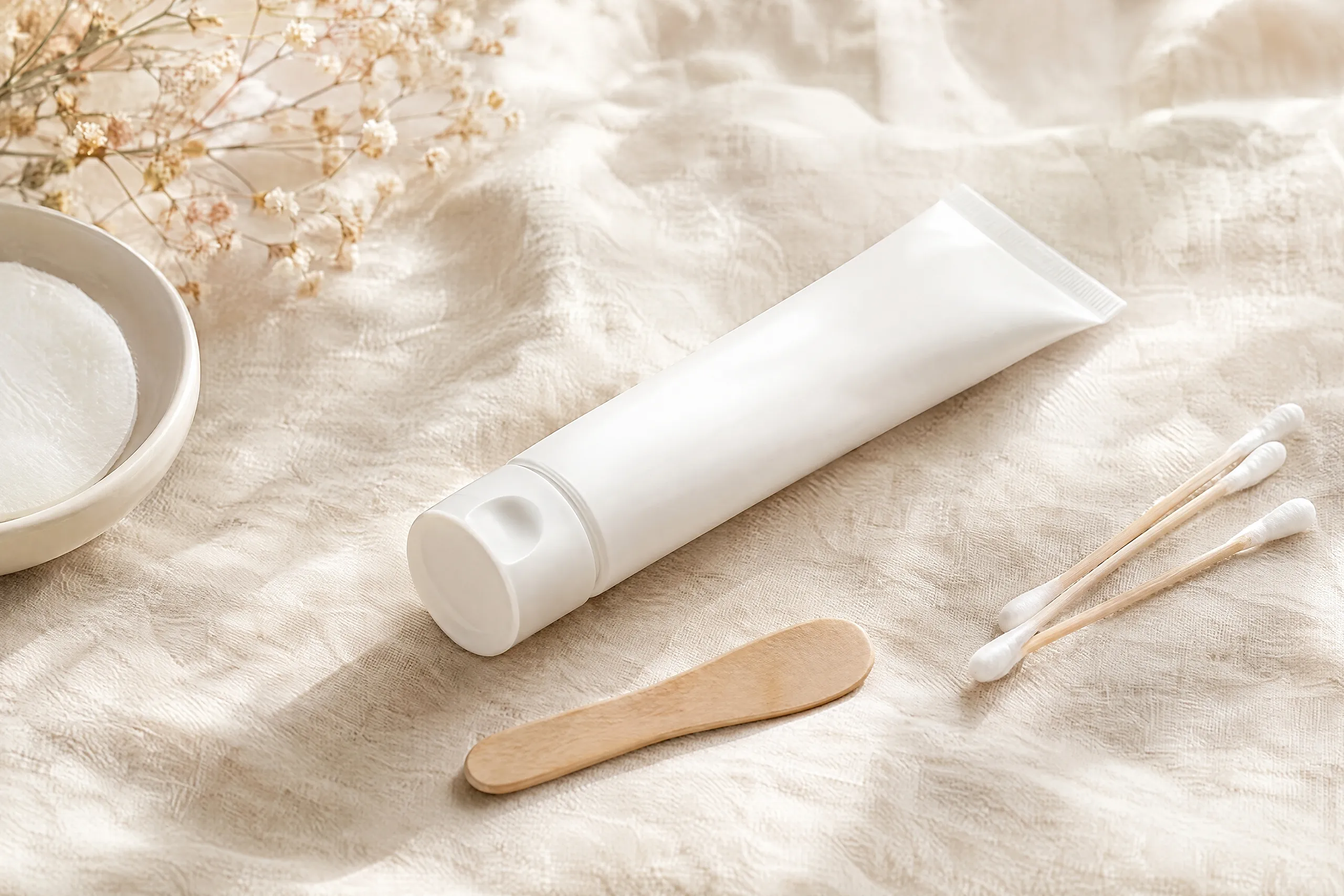
Numbing cream
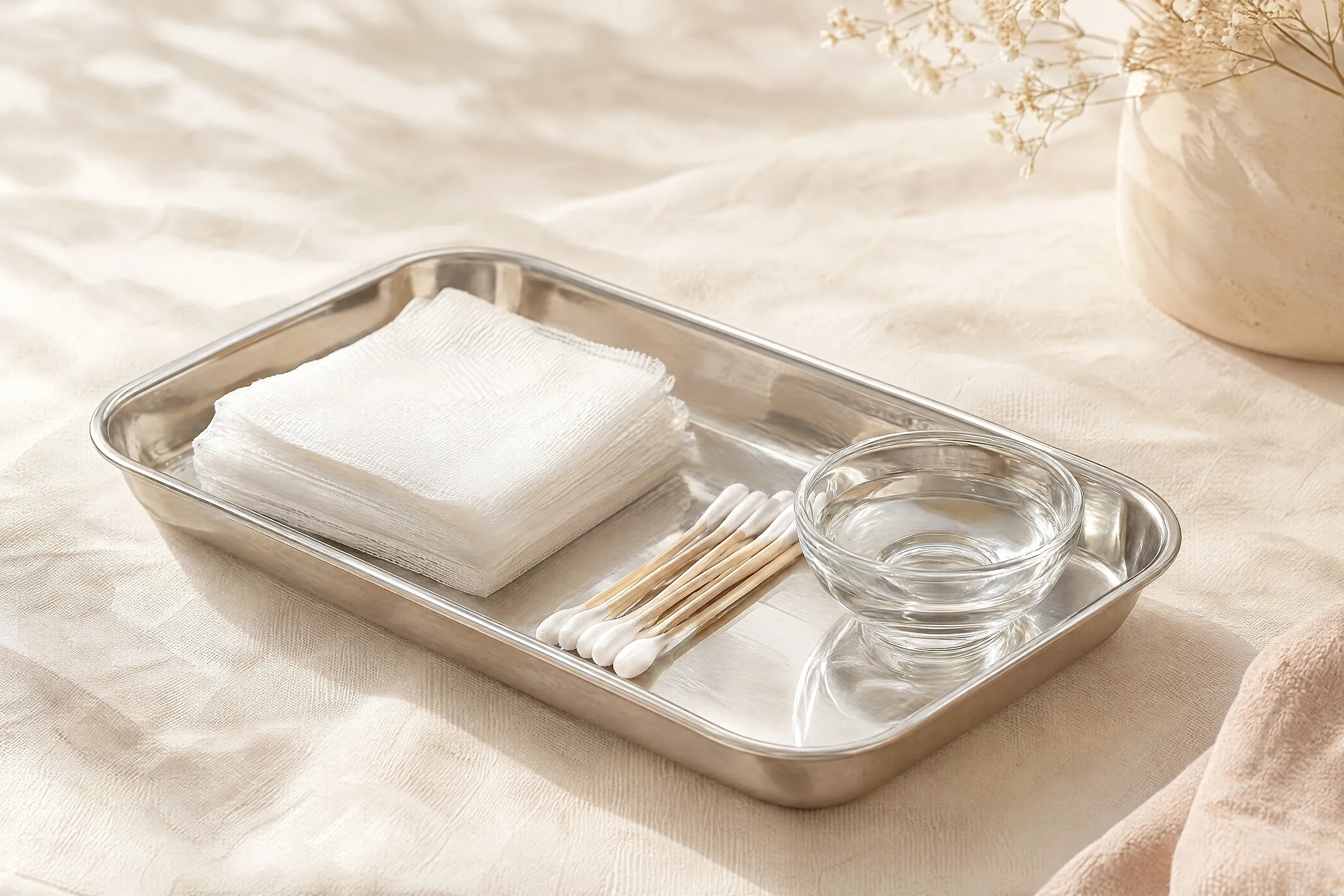
Lesion removal (laser / manual removal)
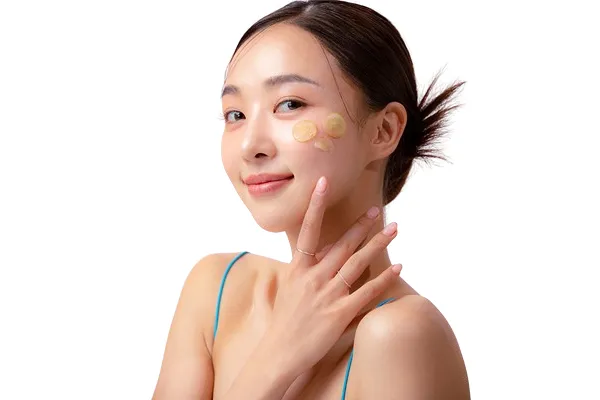
Applying a protective patch


Manual Removal of Flat Warts — Who Is It For?
Manual (non-laser) removal of flat warts is
recommended for:
- Those concerned about red marks or pigmentation after laser treatment
- Those with sensitive skin who worry about laser irritation or skin troubles
- Those who want flat-wart treatment without patch aftercare
or the seasonal burden of summer - Those with an allergy to numbing cream,
or who prefer treatment without anesthesia - Those who want body warts
— which tend to leave lasting marks
— removed with minimal skin damage

prescribed to suit your constitution and symptoms
Herbal prescription and preparation
Individual prescriptions are prepared with pharmaceutical-grade herbal ingredients manufactured under the MFDS herbal Good Manufacturing Practice (hGMP) standard.
Each prescription is decocted separately.
Pharmaceutical-grade herbs
Prescribed by constitution and symptoms
Decocted per prescription
Progress checks while you take it
Flat Warts Q&A
A scab forms after the procedure — is it bad to peel it off?
A scab is a protective layer that forms naturally during skin regeneration. Peeling it off by force can damage the dermis and leave scars or pigmentation. On the face, scabs usually fall off on their own within 3–4 days at the earliest, and typically within a week; on the body, blood circulation is relatively slower, so it takes about 1–2 weeks. On the day of the procedure, wash the face gently with water only, and try to avoid showering the treated body areas — this helps recovery.
Do I need to apply patches to all treated areas?
You don't need to apply patches to every area. Patches are used selectively on wounds that are relatively deep or large, while the remaining areas can be managed well simply by carefully applying regenerative cream. Patches protect the wound from external irritation and bacteria and maintain a moist environment to promote skin regeneration.
How long should I apply the regenerative cream?
Start applying the regenerative cream from the day after the procedure, and use it without fail for at least one week — the period in which the epidermis recovers, a key stage of skin regeneration. Since recovery speed varies with your skin condition and the treated area, continuing to apply it for up to about 2 weeks can further help prevent pigmentation and restore skin texture.
My flat warts keep coming back — can herbal medicine help?
When flat warts recur repeatedly or the number of lesions keeps increasing, it may be not simply a skin problem but a sign of weakened cellular immunity against HPV. Herbal medicine is prescribed with the aim of helping to rebalance this immune state according to your constitution, supporting resistance to the virus and reducing recurrence. Lesion removal and oral herbal medicine are combined with the aim of helping manage recurrence; results vary from person to person.

